A New Chapter Begins: Lori Varlotta Joins Antioch University as its Incoming President

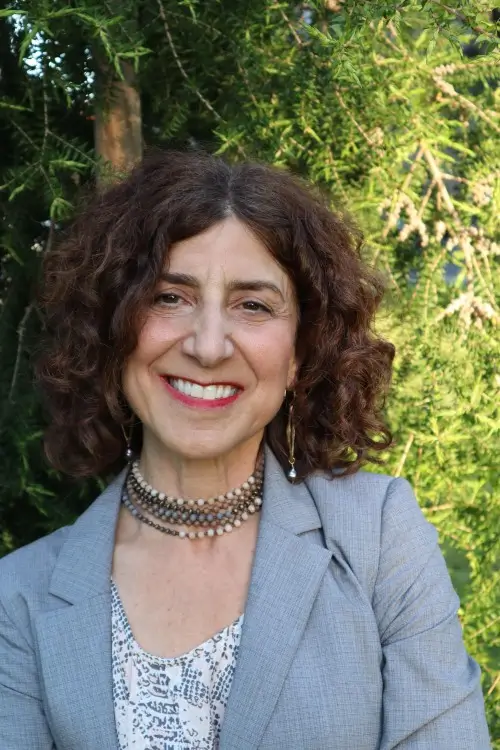
Lori Varlotta President of Antioch University

With excitement and a sense of purpose, I am delighted to announce that I will be joining Antioch University as its new President. The position is a unique one as it is coupled with the Executive Vice Presidency for Coalition for the Common Good. This joint appointment charts the next leg of my personal and professional journey, and I am eager to embark on this new chapter.

Why Antioch University? A Vision for the Future

Antioch University has long been a place where progressive education thrives, and it is a privilege to contribute to its mission of advancing social, racial, economic, and environmental justice. With Antioch’s history of providing innovative and inclusive education, I see this as an extraordinary opportunity to further this mission and expand the university’s positive impact on society.

My professional journey has always been shaped by a deep commitment to ensuring that education is not just a tool for individual success, but a platform for societal change. Through my work at institutions such as California Lutheran University, Hiram College, and California State University, Sacramento, I have witnessed firsthand how education can serve as a catalyst for progress, healing, and growth.

The Time is Now: Antioch will Meet and Define this Moment

What excites me most about my next move is its timing. I am joining Antioch University when its most defining and differentiating aims—the building of an informed and just democracy—are more important than ever. This is Antioch’s moment, and the University will not only meet it; it will define it. In defining these times, Antioch will double down on its commitment to having students participate in social justice programs, undertake community-based research, and participate in, rather than just read and talk about, democracy. As it continues to “make good” on these longtime commitments, Antioch serves as a constructive model for academic courage and concrete contribution. Rather than just “fight against” emerging policies, stances, and proposals, Antioch is poised to provide national leaders and elected officials with data-driven accounts of the impactful things that it—and other institutions of higher learning like it—are doing right now to improve our country and the world. As Antioch actualizes its mission in “winning victories for humanity” and showing how education works for democracy, it can showcase the concrete, irrefutable impact of our colleges and universities in making America great.

The Coalition for the Common Good: Changemakers and Collaborators

If all of the above isn’t exciting enough, Antioch has recently joined forces with Otterbein University in co-founding the Coalition for the Common Good, or the “CCG.”  The CCG is the country’s first higher education system that brings together universities that share a mission of educating students not only to advance their careers but to create and maintain a common good. The common good most coveted by members of this coalition is a pluralistic democracy marked by social, racial, economic, and environmental justice. Along with the excitement of being president-elect of Antioch University, I am thrilled that I will soon be working alongside Dr. John Comerford, President of both Otterbein University and the CCG in developing and expanding the Coalition. The CCG is a viably innovative model for higher education collaboration and impact.

The Values that Make us Decent Humans and Good Leaders

As I embark on the next leg of my personal and professional journey, I am reminded of the many conversations and activities that I engaged in with the Reverends Colleen Windham-Hughes, Mark Holmerud, and Scott and Melissa Maxwell Dougherty at Cal Lutheran. With those wonderful colleagues, I endeavored to use five values—grace, generosity, inclusion, diversity, and service to neighbor—to guide the many actions and decisions we were called to make. There were times when I fell short in my embodiment of them. That set of values, however, remains my North Star, and I expect it will guide me as I move forward.

Thank you to everyone who has supported me on this journey.

Lori Varlotta

Applying Pressure to Obscure the Truth: A Cautionary Case Study—Elton Gallegly v. California Lutheran University

Introduction

A version of this blog post was also submitted to The Chronicle of Higher Education in response to the article, The 774 Words That Helped Sink a Presidency in the May 7, 2025 issue of The Chronicle.

Full disclosure: I’ve known the former President of Cal Lutheran University (CLU), Lori Varlotta, for most of my professional life in higher education. I worked with her at my Alma Mater, California State University, Sacramento, where she was VP of Student Affairs; consulted on two short-term projects for Hiram College when she was President there; and kept in touch with her since. In a phone conversation in the last 18 months or so she mentioned she was facing challenges in her then-current Presidency at CLU. She didn’t go into detail—we had plenty else to catch up on—and I thought little of it: senior administrators face challenges constantly.

Very recently, Dr. Varlotta’s challenges at CLU were the subject of a highly substantive article published in the Chronicle of Higher Education. The article, peppered with quotes and passages from primary sources, prompted me to learn more: not only because of my connection to and respect for Dr. Varlotta, but because of my interest in campus governance and politics. I’m an English professor who has served in department- and campus-wide leadership roles. Though I am no expert in the aforementioned issues, I try to stay informed.

After reading the attachments linked to the Chronicle article, accessing some of the court documents, and perusing the articles and letters published by the local press, I thought of my students. Immediately, conversations I’ve had with them when campus controversies are covered in the student newspaper came to the forefront of my mind. When something is happening on campus and part of the story seems missing, I ask my students: “Where is the pressure coming from?”

Asking that question myself is how I got curious with the situation involving Dr. Varlotta stepping down from the CLU presidency: where did the pressure come from? As you’ll read here—as you can deduce for yourself from many publicly available materials, as I did—the answer to “whence the pressure?” is clear, and to me, disturbing. When I heard Dr. Varlotta was facing challenges at CLU, I expected them to be run-of-the-mill: budgetary, perhaps based on enrollment or tuition or fees, perhaps focused on where to make cuts, perhaps ideological related to all that, but certainly with students at the center.

Not so.

In “unpacking” this saga for interested readers, I draw heavily from (and attach) two resources: the PowerPoint used by CLU’s attorneys in their closing argument (Varlotta is one of three named “defendants”) and an Exhibit containing emails, letters, and other communication obtained via the court discovery process. I found these and other court “data” fascinating.

Summary of the Gallegly Case

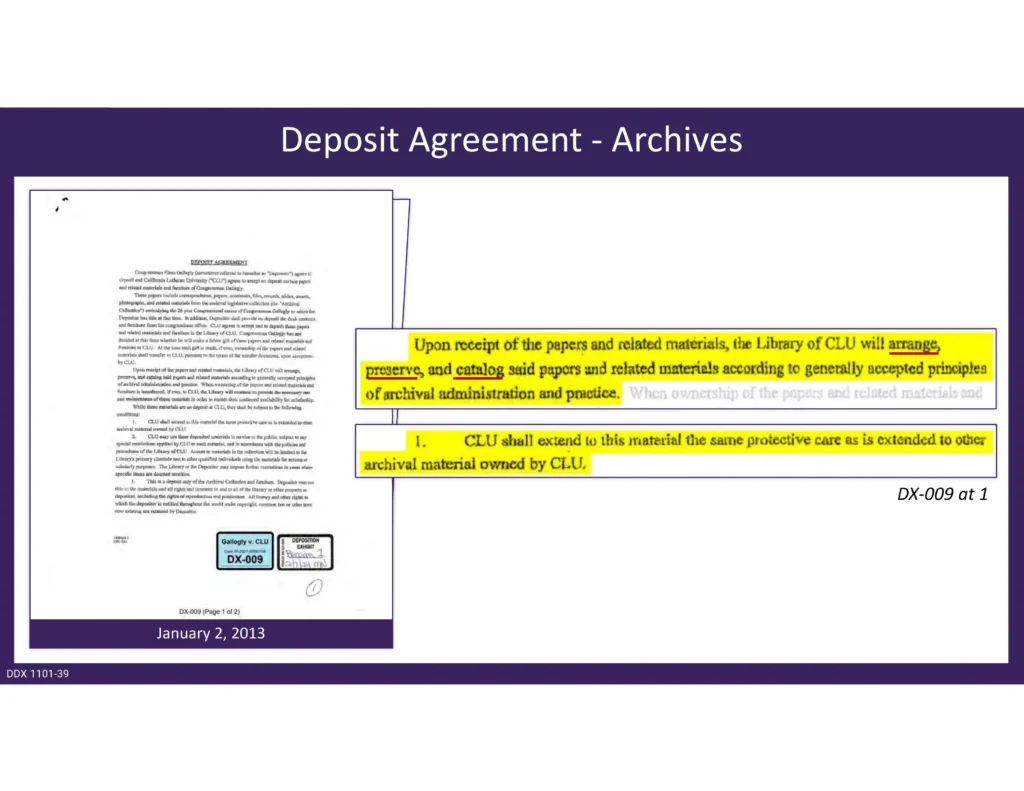
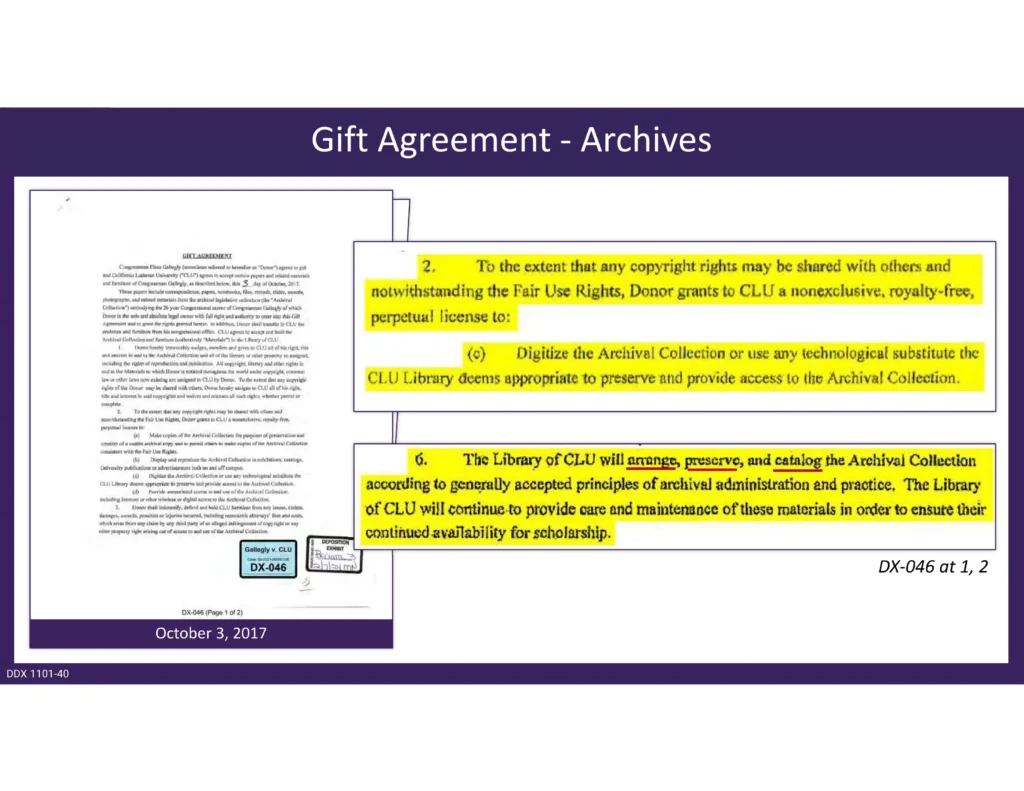
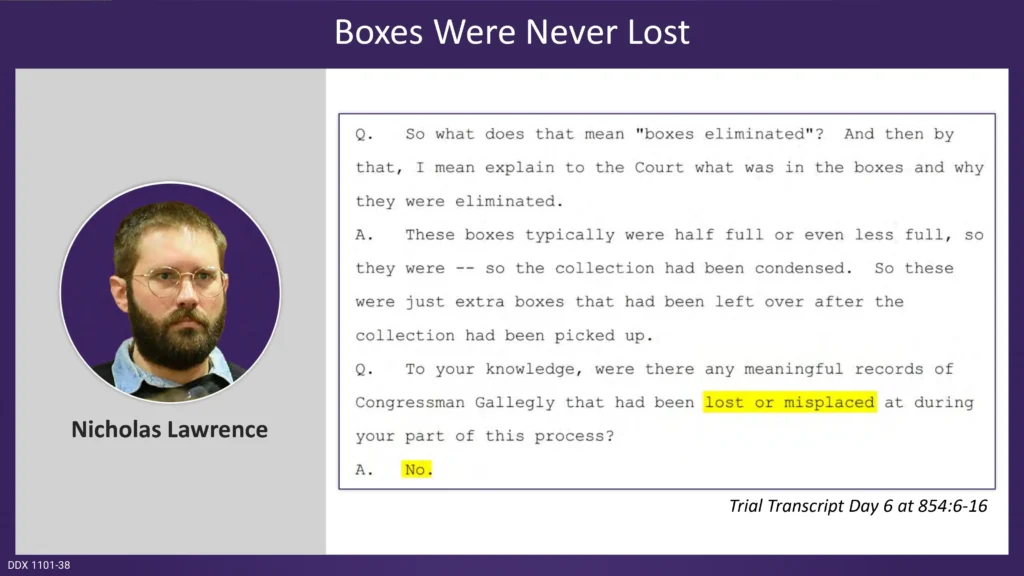
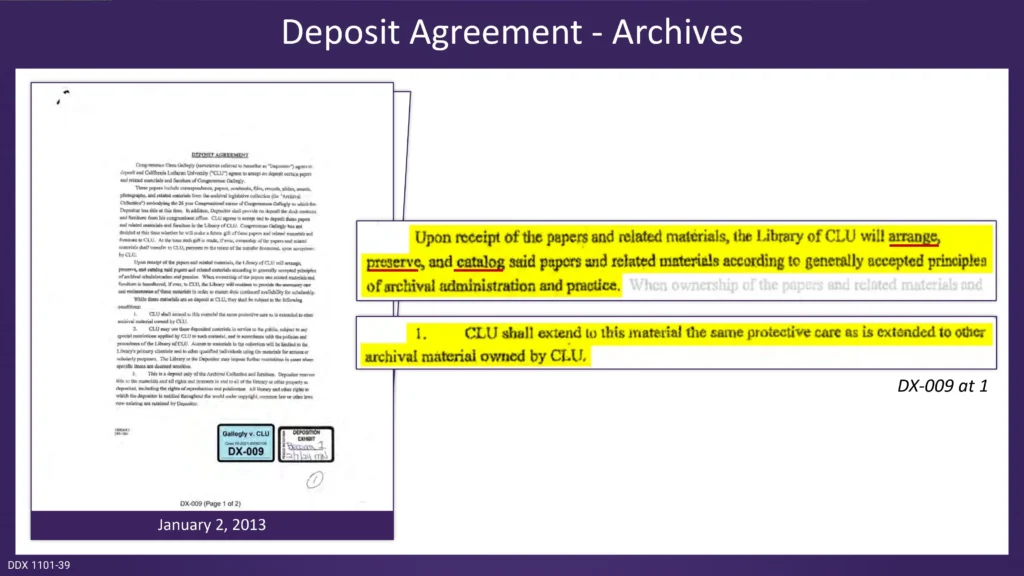
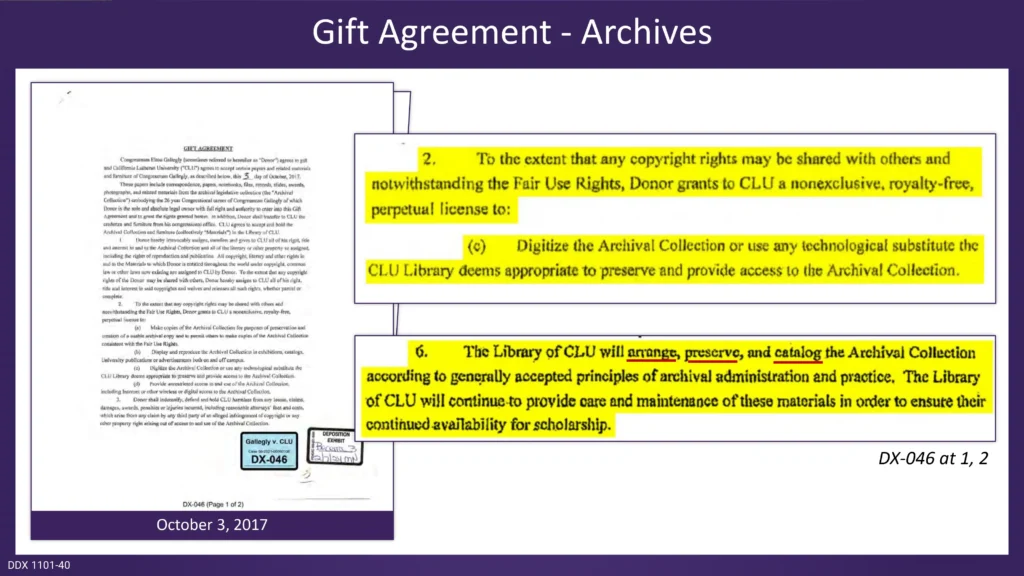
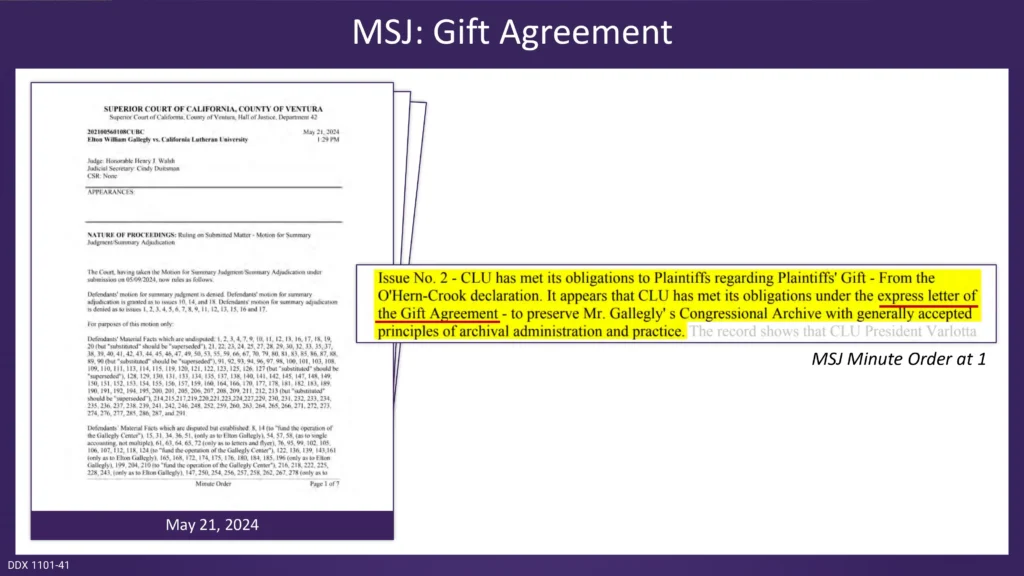
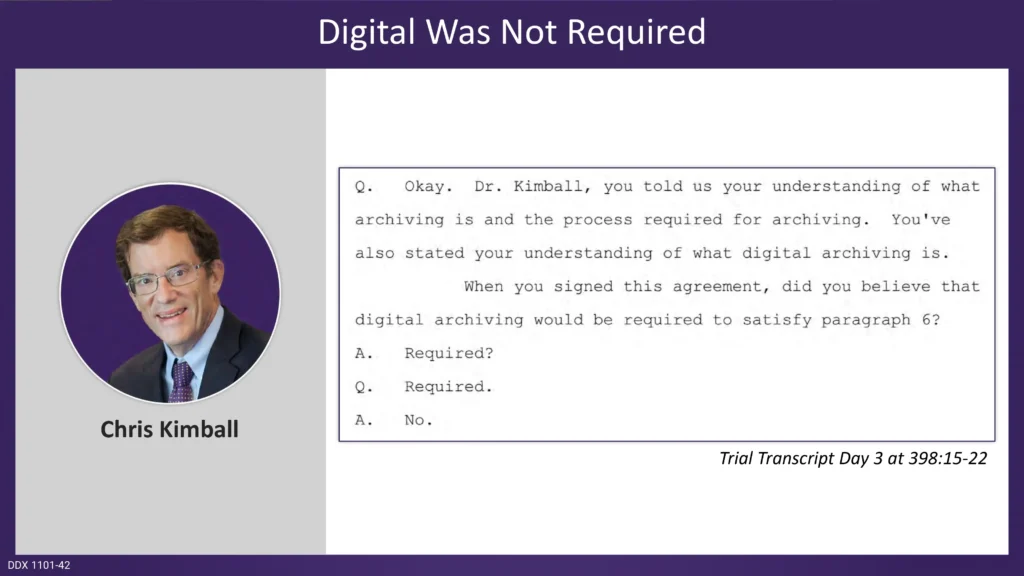
Dr. Varlotta became the central target of a multimillion-dollar legal case that former Congressman Elton Gallegly and his wife, Janice, waged for four years against the small, private institution in Thousand Oaks, CA. At the heart of the lawsuit is the claim that CLU is contractually obligated to display a replica of Galleglys Washington, D.C. office and to digitize his congressional papers, neither of which are required by the underlying agreements (see slides #3, 7, 39, and 40 in the Defendants’ Closing Argument Presentation, or DCAP).

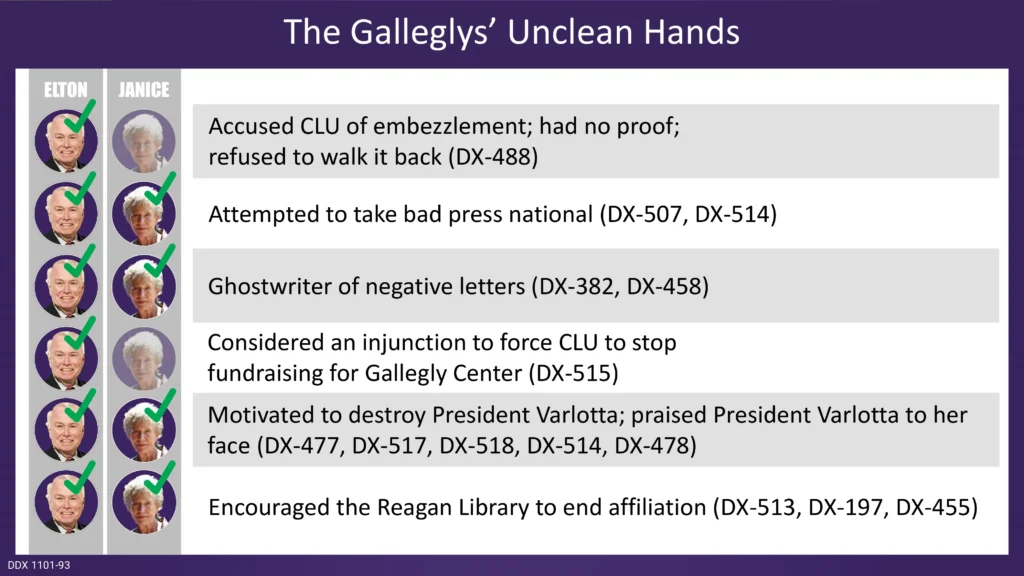
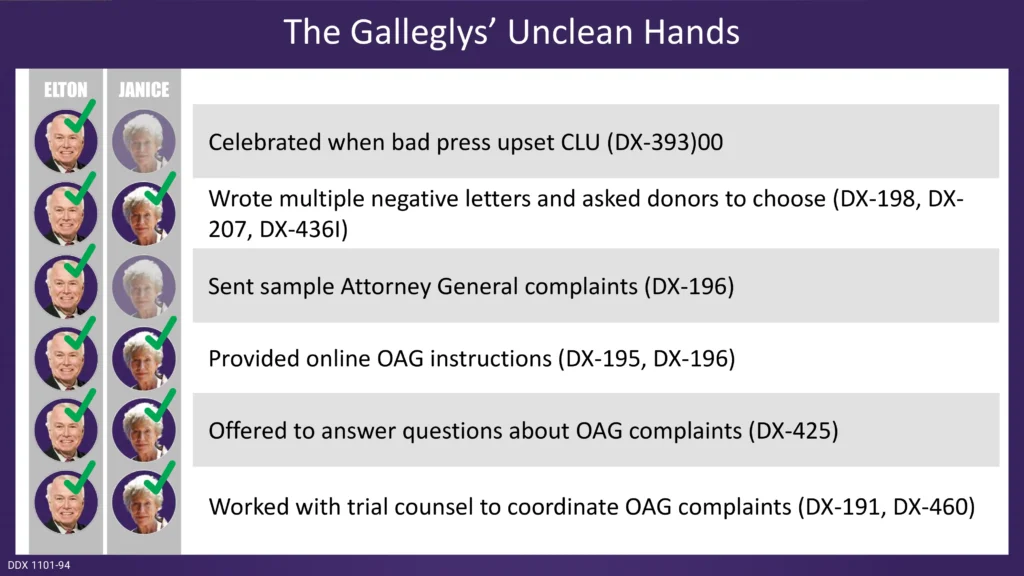
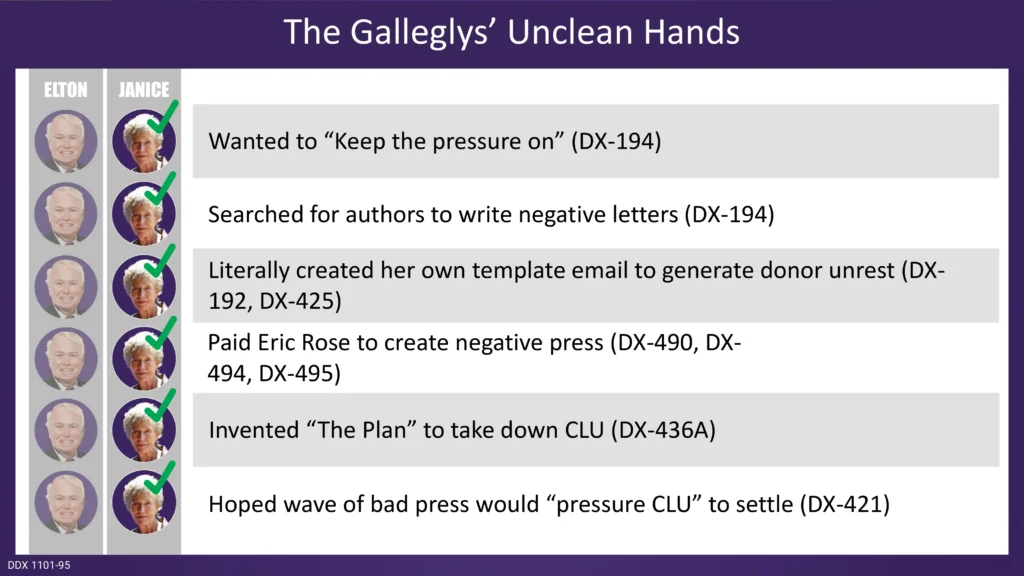
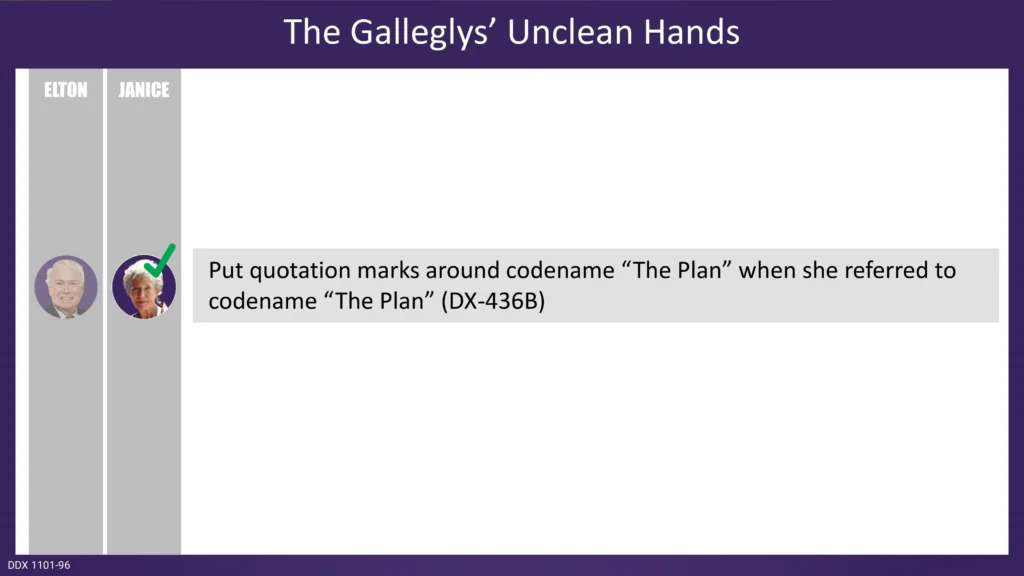
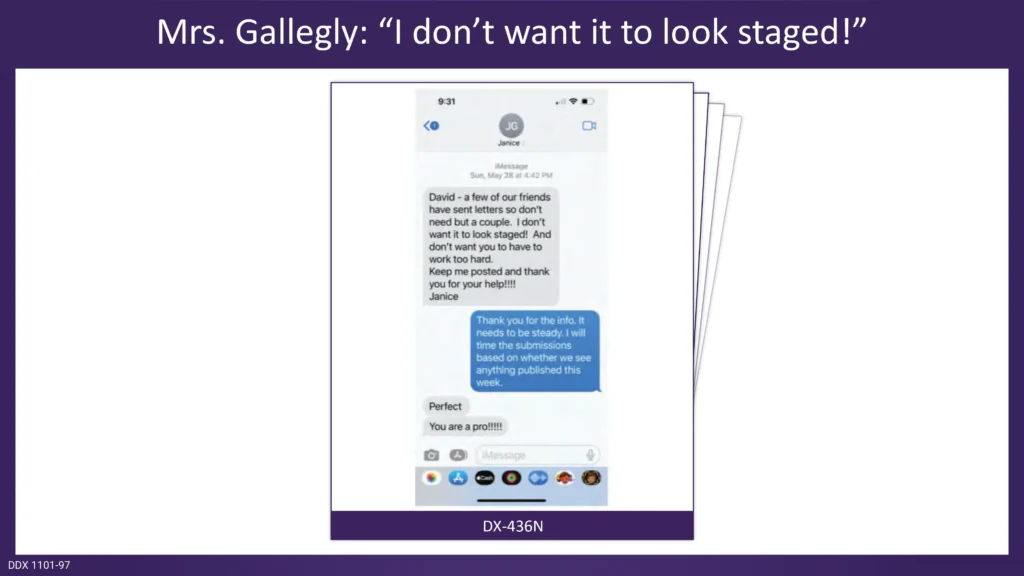
Testimony and court documents provide evidence that the Galleglys worked to turn the court of public opinion specifically against Dr. Varlotta. For more than three years, the Galleglys and their associates maintained a smear campaign to pressure the university into meeting their demands and to discredit its leaders for refusing to do so (see DCAP slides #91–98 and Exhibits 1–18 in the Combined Exhibits file).

The Gallegly Center and Its Programs

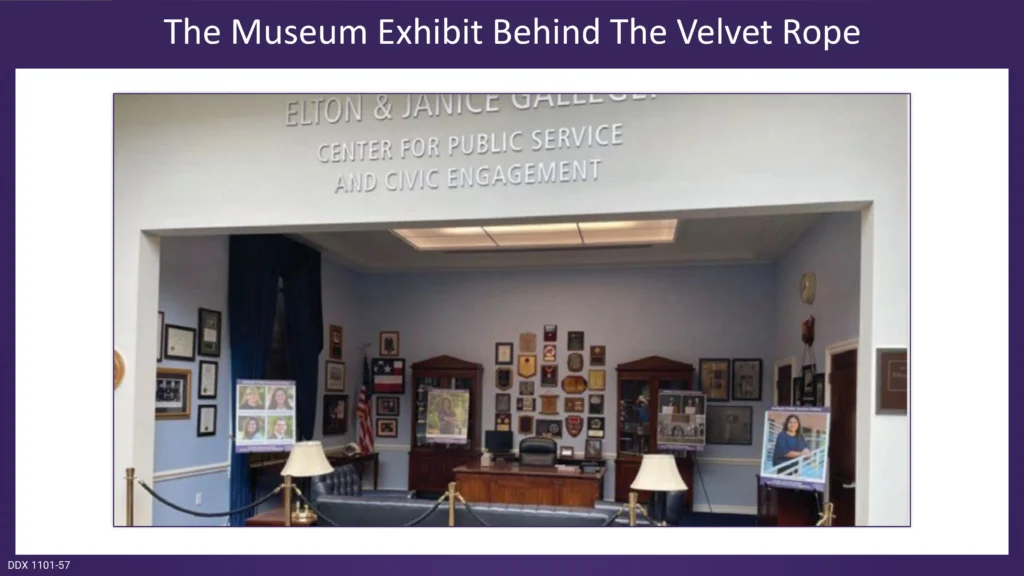
In 2018, CLU constructed a 1,500-square-foot annex to the University Library to house the Elton and Janice Gallegly Center for Public Service and Civic Engagement. The facility, built at a cost of approximately $600,000, was largely funded by one-time gifts. For the first few years, it included a replica of Galleglys Washington, D.C. office on display (DCAP slide #57).

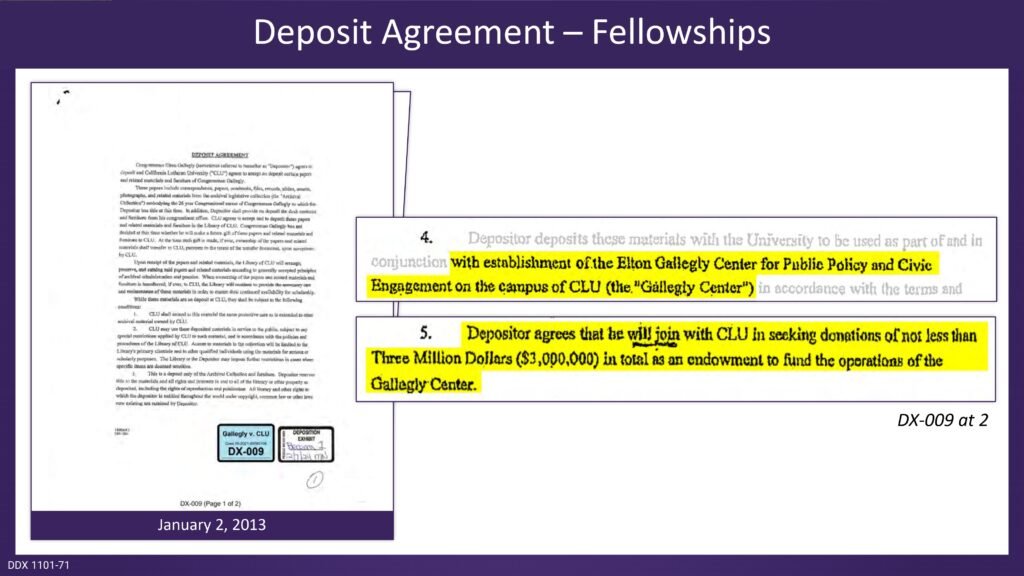
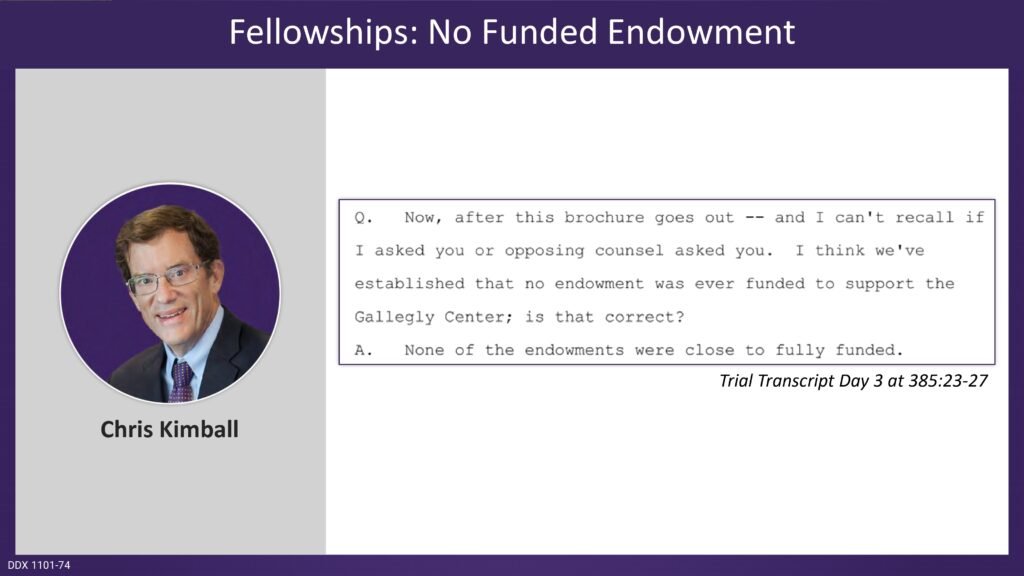
From the start of the relationship with CLU in 2013—which long predated Dr. Varlotta’s tenure at the University, which is obvious but worth noting—the Galleglys had pledged to help raise at least $3 million to offer and endow the Center’s programs. The proposed programs included a speaker series to foster public discourse and a fellowship program to attract high-caliber students to CLU’s Master of Public Administration program. The endowment was intended to cover the speakers’ series and fund tuition for the fellows (slides #71, 74, and 76). No endowment funds were ever raised.

Office Comes out; Archives Go In

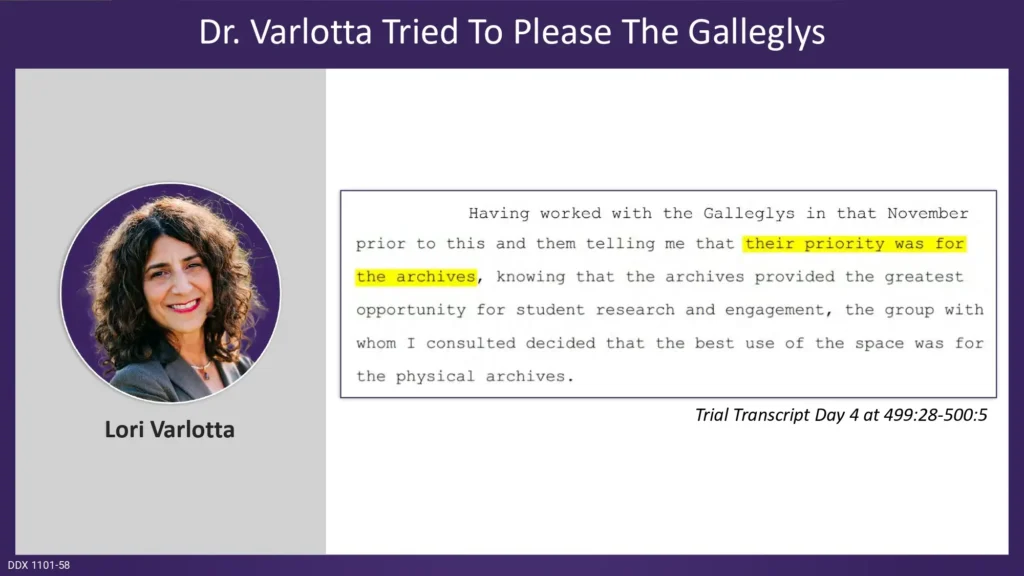
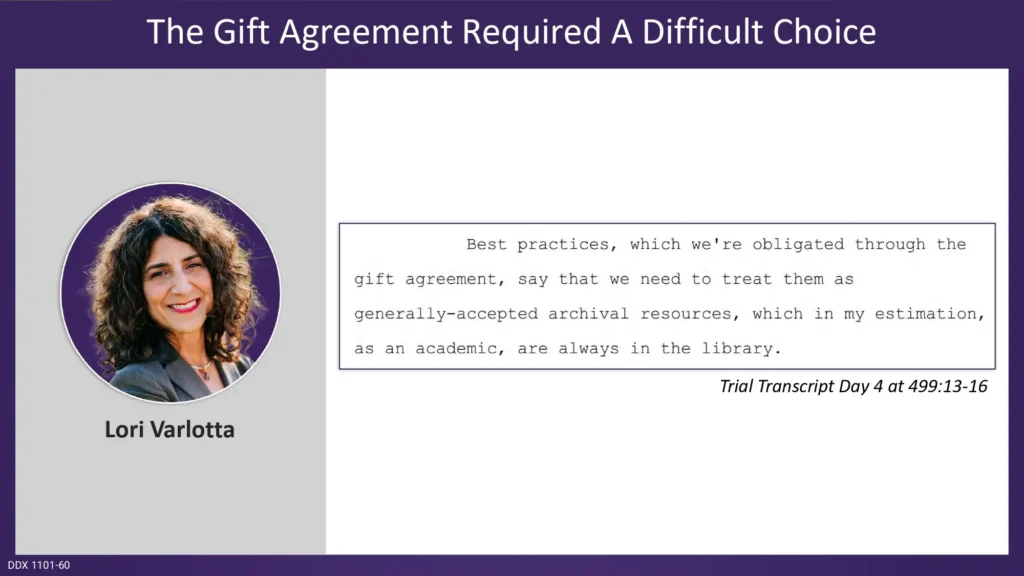
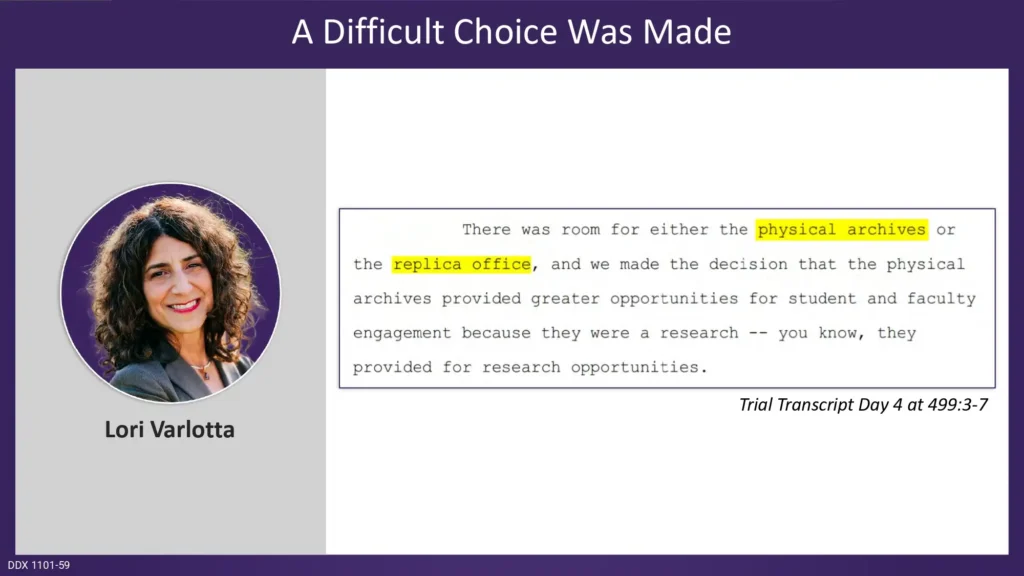
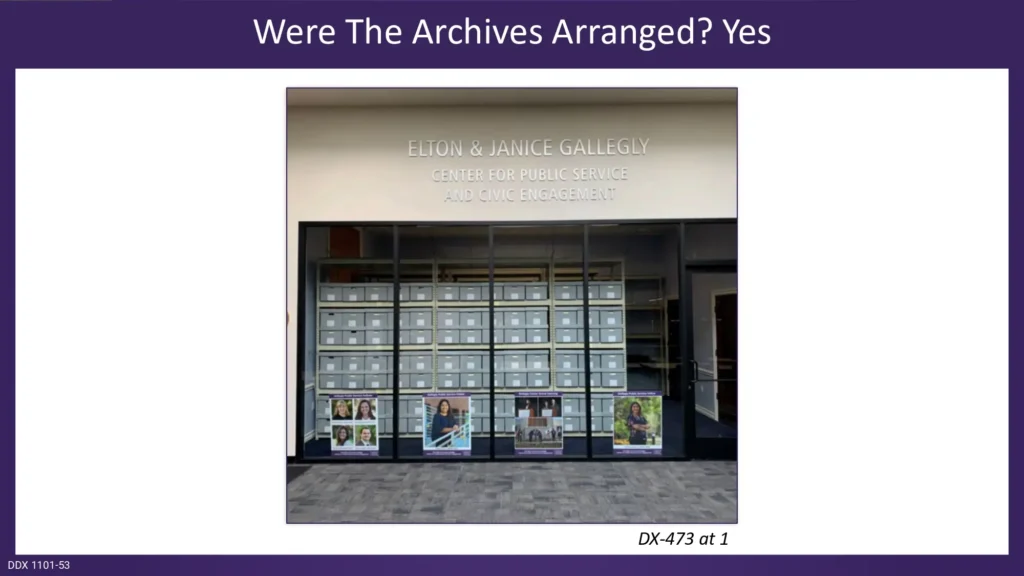
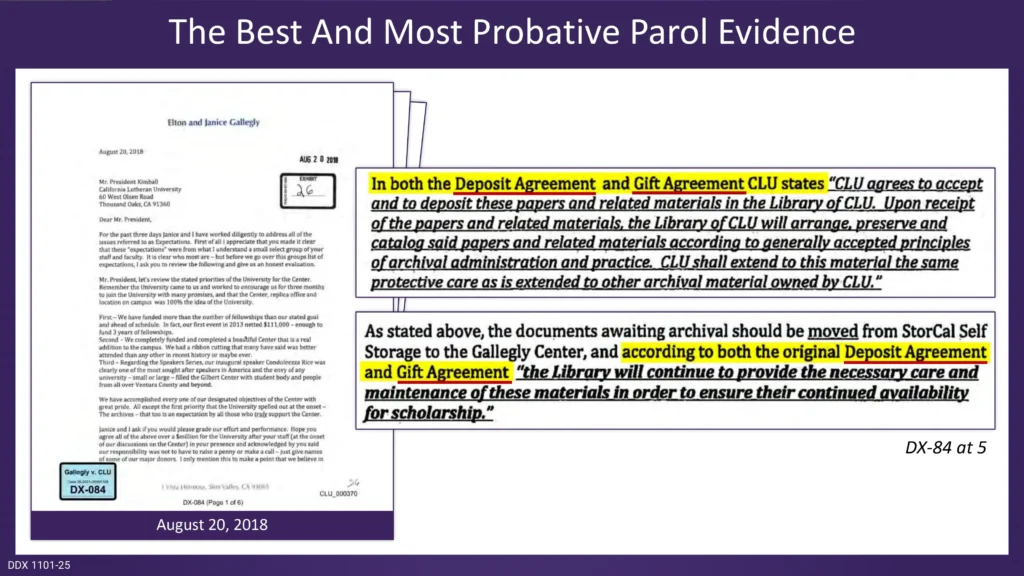
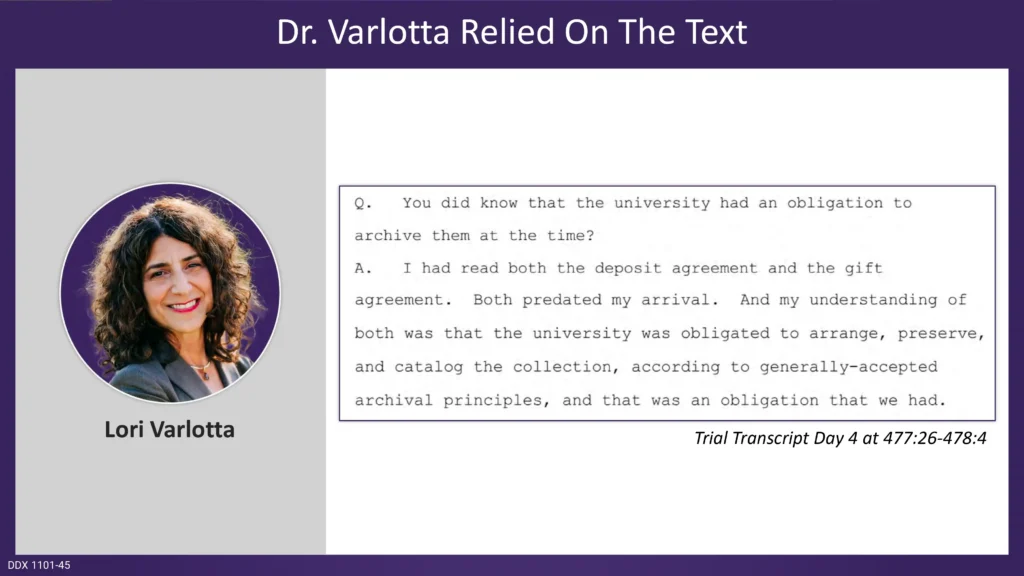
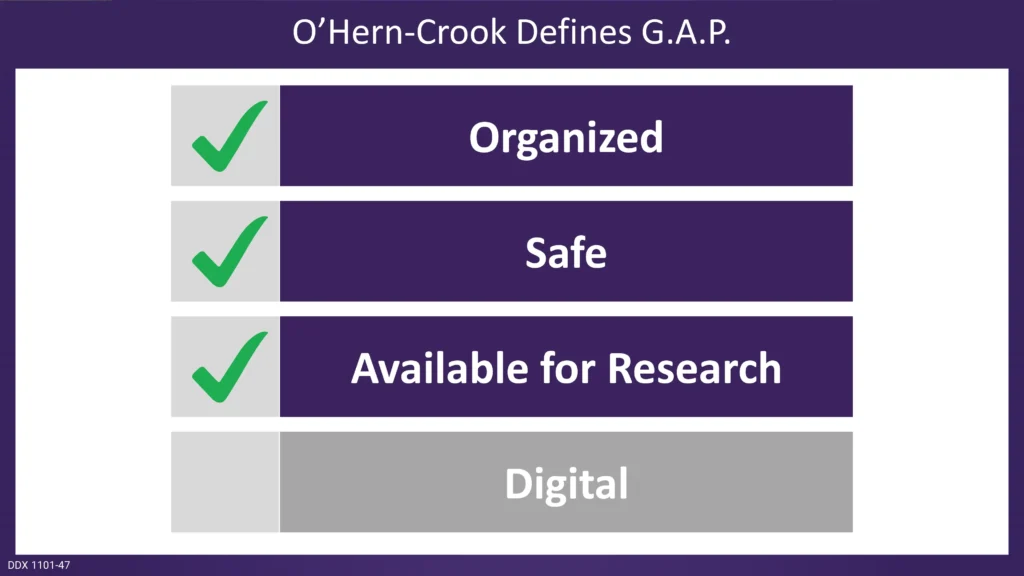
With no funding in place and Gallegly Center programs paused, university leaders jointly (slides #58-60)—not Varlotta unilaterally—decided, in 2021, to remove the replica office. The space that formerly held the furniture was repurposed to safely house the 450-box archival collection donated by the Galleglys (DCAP slide #53). This decision was made to comply with the two contracts signed by university and the Galleglys in 2013 and 2017. While the contracts explicitly mentioned preserving and cataloging archive materials, neither included a single mention of a displaying any replica office.

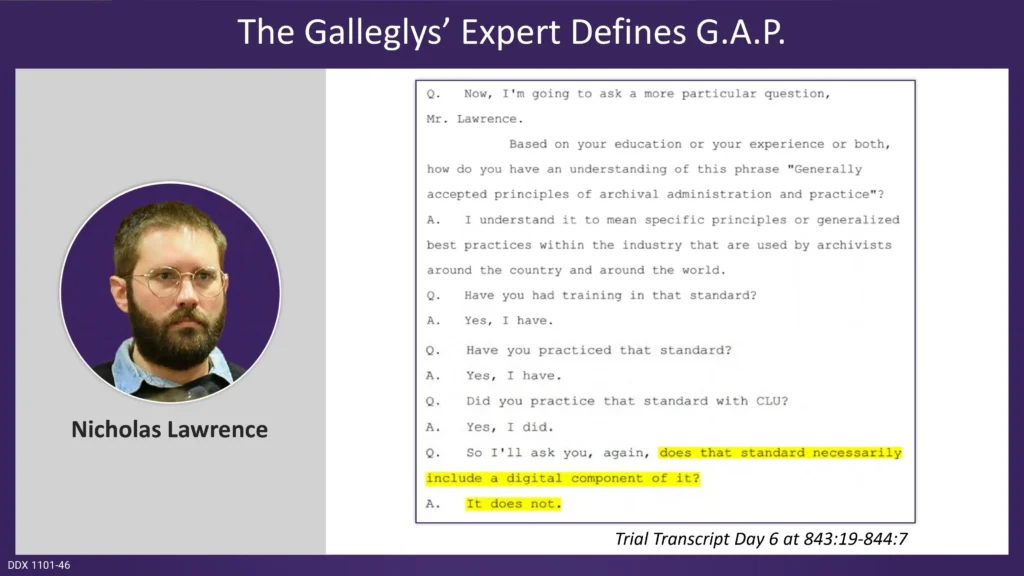
During the first phase of the trial, witnesses for both parties testified that the moves the university made were directly in line with its contractual obligation to preserve, catalog, and maintain the collection for scholarly use (DCAP slides #25, 37–47). But the Galleglys own archival expert goes one step further. Under oath, he states that the former “office space” is the most appropriate location for the collection (slide #61).

Since its installation, the archive has been made fully accessible to students, faculty, and researchers, although few, if any students have accessed it for research (slide #53).

The Push to Digitize

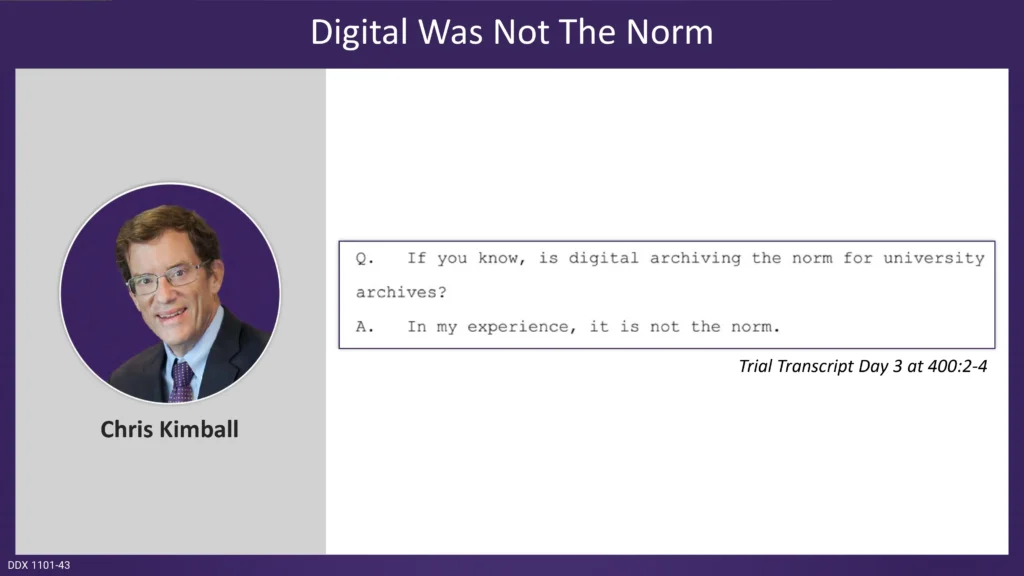
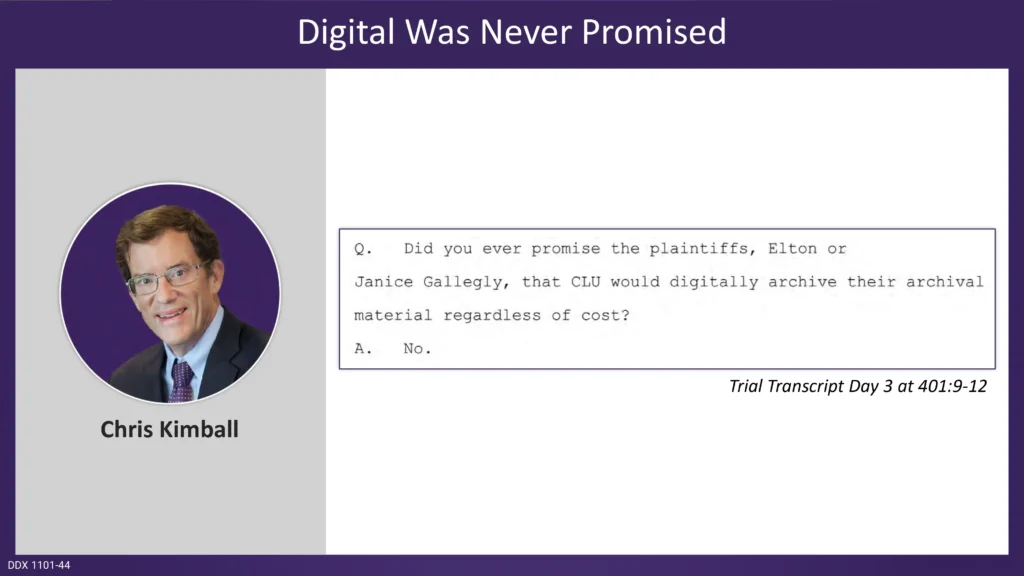
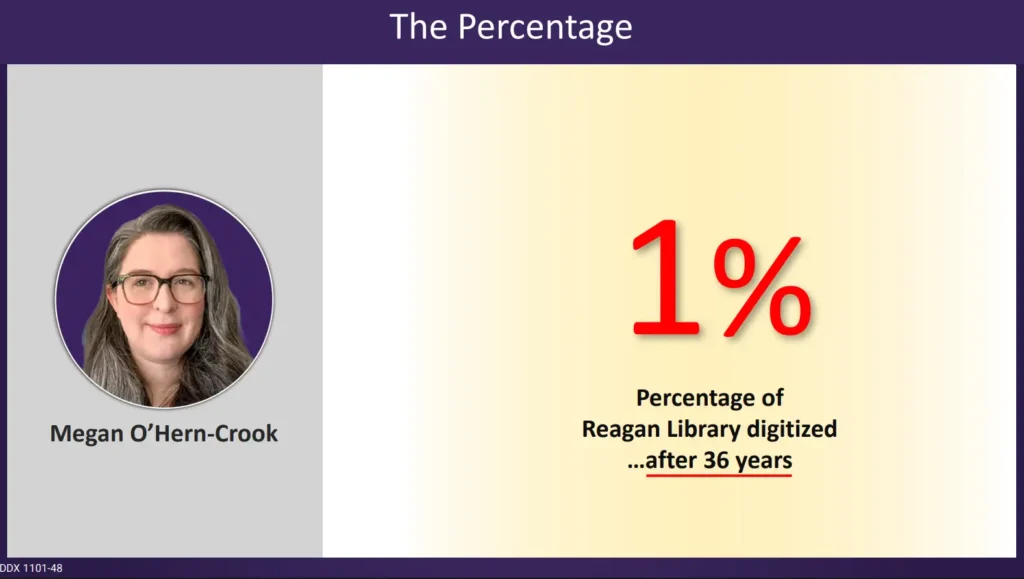
Despite the physical archive being preserved and accessible, the Galleglys insisted that the university digitize the entire collection—yet another demand that was never promised or contractually required (slides #42–44). Although lack of contractual stipulation is one reason for not having digitized the collection, equally important is a more straightforward factor: cost. Digitizing such archives is expensive. As an example, during the court proceedings, a presidential library expert testified that after 36 years, only 1% of Ronald Reagan’s papers have been digitized, underscoring how unreasonable it would be to expect a small private university to digitize a congressional archive of this size (DCAP slide #48).

A Misinformation Campaign to Influence Public Opinion

Because of their dissatisfaction with the university’s moves, the Galleglys engaged two heavy-hitting PR firms and a group of volunteers in a three-year letter-writing and media campaign. The Galleglys and their associates convinced dozens of supporters to sign their names to and submit letters containing misinformation and unfounded accusations to local newspapers. In addition, unsubstantiated complaints were filed with the California Attorney General’s office, alleging that CLU had committed not only a breach of contract, but a “breach of trust” with the Galleglys. This notion of a “trust” is a complicated legal issue, but the court has sided with the defendants and found that there is no trust, and hence, no breach of trust in this case. After reading the tome of court documents, it would be difficult to argue against this conclusion: the campaign was meant not only to influence but to mislead the public by providing partial information and making unfounded accusations against the university and its president (see Exhibits 1–18). What the Galleglys asked solicited letter writers to sign their names to differed from what the Galleglys stated under oath.

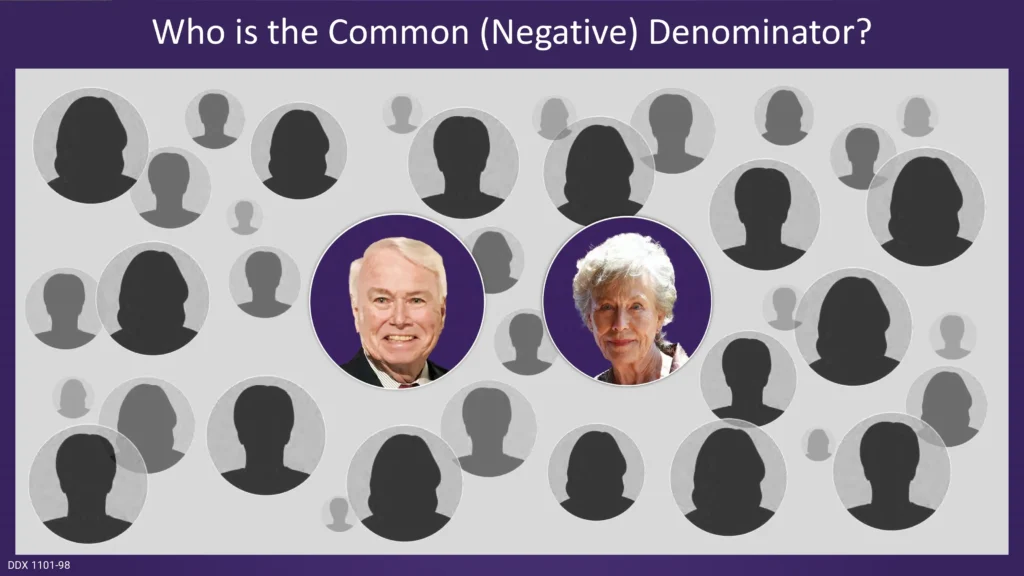
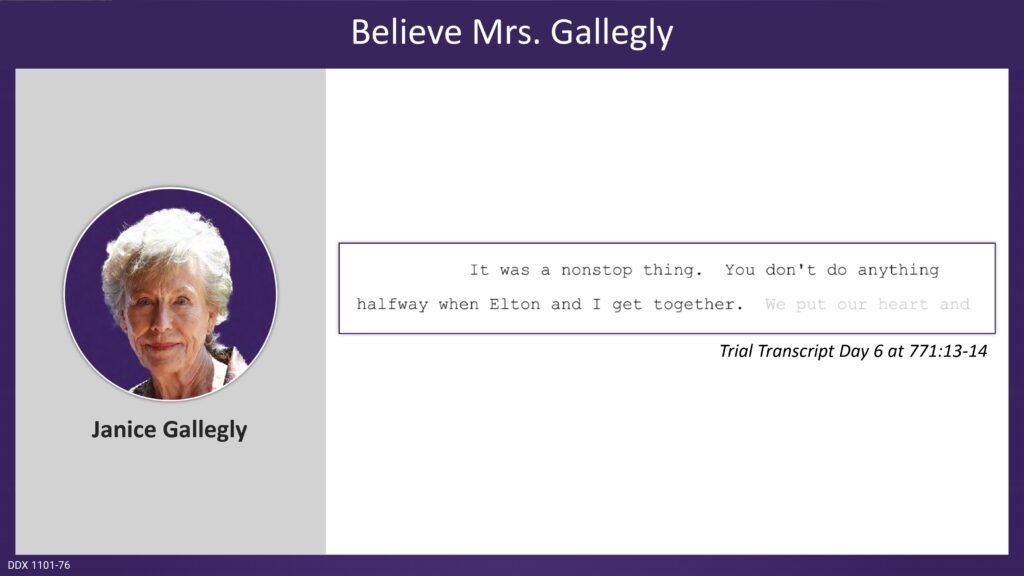
The court documents reveal, in no uncertain terms, that the criticisms by the Galleglys and their supporters’ were directed mostly at Dr. Varlotta—the first female president of CLU. She assumed office in 2020, years after the contracts associated with this case were signed. Nonetheless, she was the focal point for their attacks. Testimony and emails show that Janice Gallegly, along with a group of volunteers—James Lacey, David Shechter, and Kevin McNamee—worked to undermine her leadership from the start. Attached emails confirm that this group worked tirelessly to create such a negative community buzz that the Board of Regents would fail to inaugurate their first woman president (Exhibits 14–17).

A President Steps Aside

After enduring years of an intentional and sustained campaign to damage her credibility—with the collateral effect of making most of the other parts of her job all but impossible—Dr. Varlotta stepped down as president in May 2024. Her decision was made in the interest of the university following a period during which the campaign’s impact on her reputation became too great to ignore. She continues to serve the university as its Distinguished Professor of Higher Education Leadership.

Institutional Damage

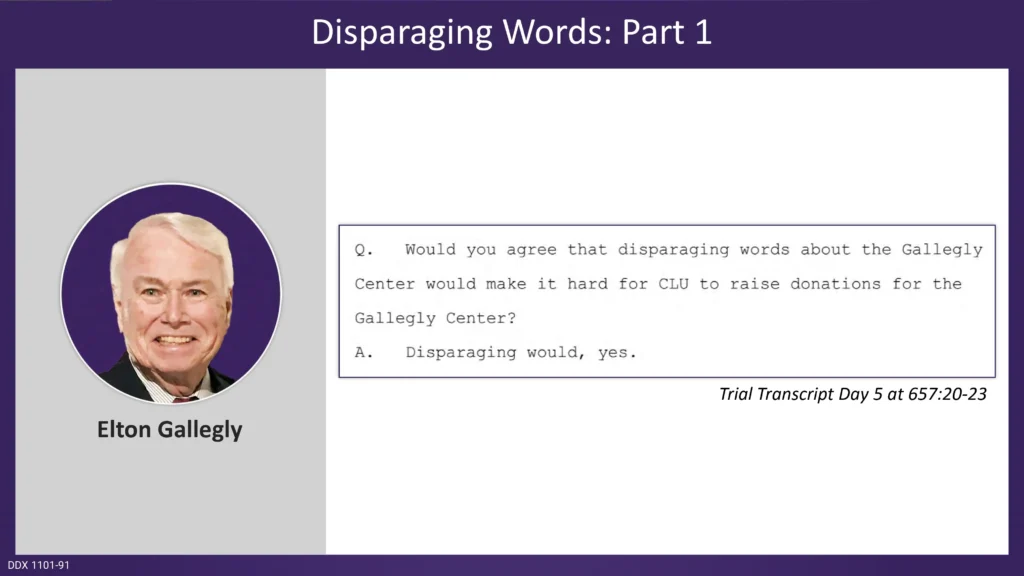
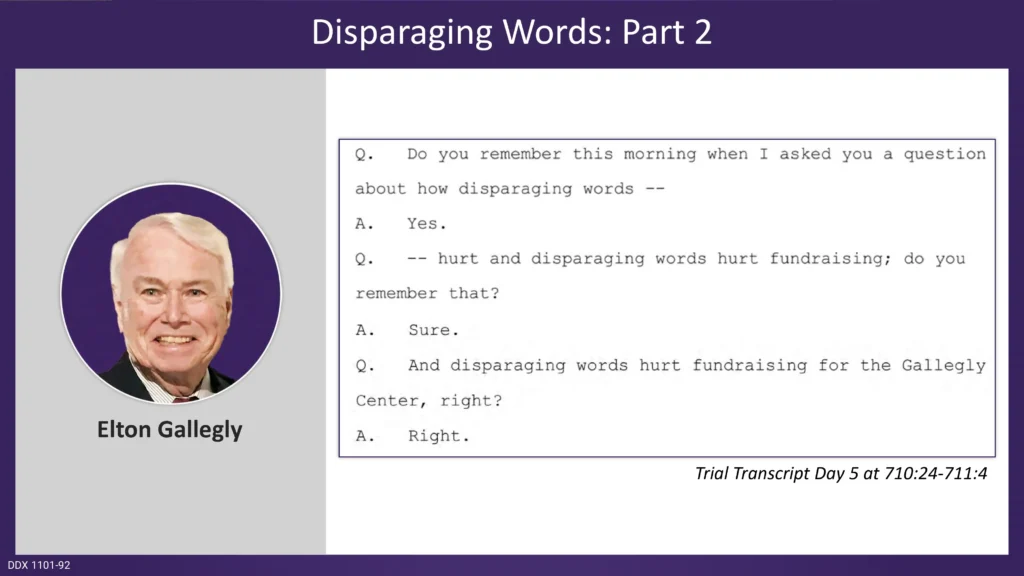
The damage extended beyond Dr. Varlotta. Even Elton Gallegly himself acknowledged that the public campaign negatively affected CLU’s fundraising efforts (DCAP slides #91–92). Records from public relations firms estimate that just one phase of the negative campaign against Dr. Varlotta and the University reached over 14 million people. The prolonged legal battle has cost the university and its insurance providers millions in legal fees and administrative expenses. The cost of the reputational damage is impossible to calculate. And so far, no one has made any attempt to address those damages.

A Cautionary Tale for University Fundraisers

The consequences of this case offer a cautionary tale for advancement professionals in higher education. As private colleges and public universities across the country increasingly look to donors to offset shrinking revenues, it seems necessary for them to weigh the benefits and risks of all potential gifts. It also seems prudent for advancement staff to be wary of donors who want a lot of strings attached to the gift or repeatedly change their mind about what a successful partnership looks like. Universities might even consider “out clauses” in case a donor’s expectations evolve into demands that are neither grounded in legal agreements nor feasible to meet. When legacy-building becomes a driving force, as it appears to have been the case with Elton Gallelgy, the result can be conflict that diverts attention and resources away from students and a university’s mission.

I would not be writing this article if the reputation of a friend and colleague wasn’t damaged so unjustly by all of this: all of this, which is ridiculously ancillary to any University’s mission, especially at this moment in higher education in America. Yes, there are lessons to be learned. University and donor expectations must be aligned and codified; any changes in expectations must be officially captured, recorded, and agreed upon so that newcomers to the university are not left in the dark. There appears to have been major mistakes made in these areas that predate Dr. Varlotta’s presidency. She was the one, however, who paid the price for them. Hence, this story illustrates something much more concrete than contracts and donors: the personal damage and institutional fallout that can result when individuals bring power to bear. “Pressure” equals “power” in this story. It seems likely this pressure won’t resurrect a replica of a 1987-2013 Washington D.C. office, nor send a score of PDFs to a cobwebbed corner of a library server.

Beyond Fundraising—Life Lessons

I have contemplated using this situation as a real-life case study in one of my first-year composition classes. I would ask students to comb through the publicly available evidence before arriving to or articulating any conclusions. Then, I would expect at least a couple observant, grounded students to ask questions about the materials, especially the many letters to the editor published in the local newspapers. They might ask: “Why did so many people buy into this? How come no one asked, at least publicly, what is the truth in this case?”

Surely, educators would agree that those are good questions. The entire media campaign—and much regarding the allegations of the plaintiffs—telegraph an agenda rather than a pursuit of truth. The court materials show that the agenda was “supported,” repeatedly by opinions, misinformation, and incomplete understanding of the issues. At least, I hope they were those things, and not conscious lies.

Rumor mills fueled by political supporters helped produce these poorly-founded opinions and arguments, gave them currency, and spread them. But what is even more troubling is that members of a university community seemingly allowed the disregard for the truth (or even curiosity) to proliferate. It is disheartening that in this CLU case, not even members of academia and those close to it sought to pursue, publish, and prioritize “truth” over accusation, opinion, and personal ego.

We live in a world where garnering e-story “hits” and social media “likes” draws readers in. But such responses are not the measures of effective University operations and governance work. University faculty, staff, administrators, and board members should hold ourselves to a higher standard of engagement; we must model ways to inquire about and investigate complex situations so that we are informed agents not reactive pawns.

Legal Outcomes and Lasting Impact

In December 2024, after reviewing extensive evidence, the trial judge in Ventura County reversed an earlier position and delivered a significant win for CLU in the first phase of the trial. Around that same time, Dr. Varlotta requested a public apology from the Galleglys, James Lacey, David Shechter, and Kevin McNamee for the reputational harm they collectively inflicted via their media campaign. None of them agreed to that request.

The next phase of the case is scheduled for jury trial in Ventura County Superior Court in the summer of 2025. Even if another court “win” is delivered to Varlotta and CLU the damage of the pressure applied by the Galleglys and allies is not easily undone.

Alan Haslam

Faculty -English

Diablo Valley College
Cracking the Glass Ceiling & Scaling the Glass Cliff

Cracking the Glass Ceiling & Scaling the Glass Cliff

You may have met, seen, read about, or watched her on the news.

Who is she?

She is the university’s new president, the leader of an Ivy League university, or even the top candidate for the U.S. presidency. She’s the first or one of the few women to hold the post. She’s coming in as the organization says it is committed to making the changes necessary for mid-21st-century success. She has worked hard to get here, having broken through the glass ceiling. Now, she’s atop what turns out to be a troubled institution. She is falling, not from grace, but from a glass cliff where there’s no parachute.

What has she ascended and where does it land her?

She has fully ascended the career ladder and broken through the glass ceiling. Now, she has inadvertently landed on a “glass cliff”. This means she has been appointed to a senior role during a period of crisis or of poor organizational performance, thereby increasing her chance of failure. Having spent extraordinary time and energy to the top, she is now reluctant to refuse the position or its tasks “lest she be accused of ‘looking a gift horse in the mouth.’” As she takes the helm, she is handed a poisoned chalice  — charged with solving, often without the necessary support, problems that took her predecessors years to create. If she cannot solve them quickly enough, “her” failures are disconnected from the impossible task she was handed at the outset. She is personally blamed.

And, blame is not the only thing she experiences. She is 45% more likely than her male counterpart to be ousted from her CEO role. If all of that doesn’t make the glass cliff problematic enough, after she is “pushed out as a CEO, she’s replaced by a man, a mark of a return to the status quo.” This final move in the scenario has been dubbed the “savior effect.”

Five ways to avoid or (if already there) get traction on the cliff

1. Assess the university’s finances and the culture

Throughout the search process, gather meticulous data on the university’s financial state. Once you are a finalist, ask for reports such as the audited financials and any letters to management; the statements of activities, financial position, and cash flow; and summaries of current and anticipated legal or major personnel issues. Also do your best to get a handle on the current culture and ethos of the place.

2. Discern board commitment and competency for innovative, underrepresented leaders

A well-intentioned but inexperienced board can create a glass cliff without even knowing it. Current and former CEOs of nonprofit organizations, like Mojdeh Cox, express this point clearly: “Building infrastructure for marginalized leaders is a [board] responsibility. If we don’t want to continue harming organizations at a high level and severing ties in the community, we’ve got to provide support and really mean it…[my former organization] didn’t build the infrastructure for my leadership and we had a board that didn’t know what their job was.”

With this warning in mind, incoming and sitting female executives should research each board member to see what set of skills and experiences they bring to the table. How many of them have led people, projects, or initiatives that are similar to those you will lead? Ideally, Glass Cliff awareness programs are provided by industry experts before an executive search is even launched. If it doesn’t happen before the search process, aim to set up such a training once a new female or occupational leader takes the helm.

3. Propose goals and metrics in a “first-term success plan”

Before you agree to any specific goals and measurements use the information you have gathered from the research process described above to draft “a first-term success plan.” This plan should map out a few areas that data suggest need to be addressed over the next few years. It should also include the types of support you and your team will need to achieve time-specific, measurable goals in each of these areas. Set realistic, not idealistic deadlines since studies show that “when women are placed in precarious positions, they are given less time to turn things around than their male counterparts.”

4. Negotiate like a man

 “Women are four times less likely to negotiate their salary than men.” Buck that trend and develop a negotiation mindset. Gather salary data from the 990s of peer institutions and present it during negotiations in cooperative but unapologetic ways. If you are going into a highly challenging environment, consider negotiating, on the front end, what a severance or buy-out package would look like. It’s easier to discuss such things when all is well than when things start to fail.

5. Set the net (the safety net)

Tap trusted colleagues to serve as an inner circle of advisers that you can use as a sounding board, a reality check, and a confidant. Relatedly, consider asking the board to include six to eight months of executive coaching. Prior to assuming the role, ask the board to approve any missing/vacant positions that are necessary for your success. It is better to get approval for key resources in anticipation of pressing needs rather than in reaction to an emerging problem.

Challenging but scalable

Hopefully, this article helps you avoid the glass cliff in the first instance. But, if you land there, summon the skills that have gotten you this far. Those skills plus the insights and assistance from others who have been there should help you gain traction and avert a fall.

Ten Ways for Higher Education Leaders to Meet and Define This Moment

Over the past year, I’ve had the privilege of collaborating with university leaders across the country—strategic thinkers and doers who are steering their institutions through today’s blustery headwinds. As these colleagues work to implement bold structural and cultural campus changes, they often ask a similar question:

“What can I, as a higher education leader, do to create meaningful change beyond my campus, especially at a time when the entire sector is at this pivotal crossroads?”

To answer that, I’ve started to assemble high-impact strategies that educational leaders can apply right now—on campus and beyond. Please join me in refining and building upon these and in sharing other actionable ideas.

1. Prioritize Inquiry Over Activism, Innovation Over Resistance

Why It Matters:
In an era of polarized and clashing ideologies, universities must recommit to the pursuit of truth. In the academy, this pursuit must be driven by curiosity, intellectual risk-taking, and continuous learning rather than resistance for its own sake.

Actionable Tactics:

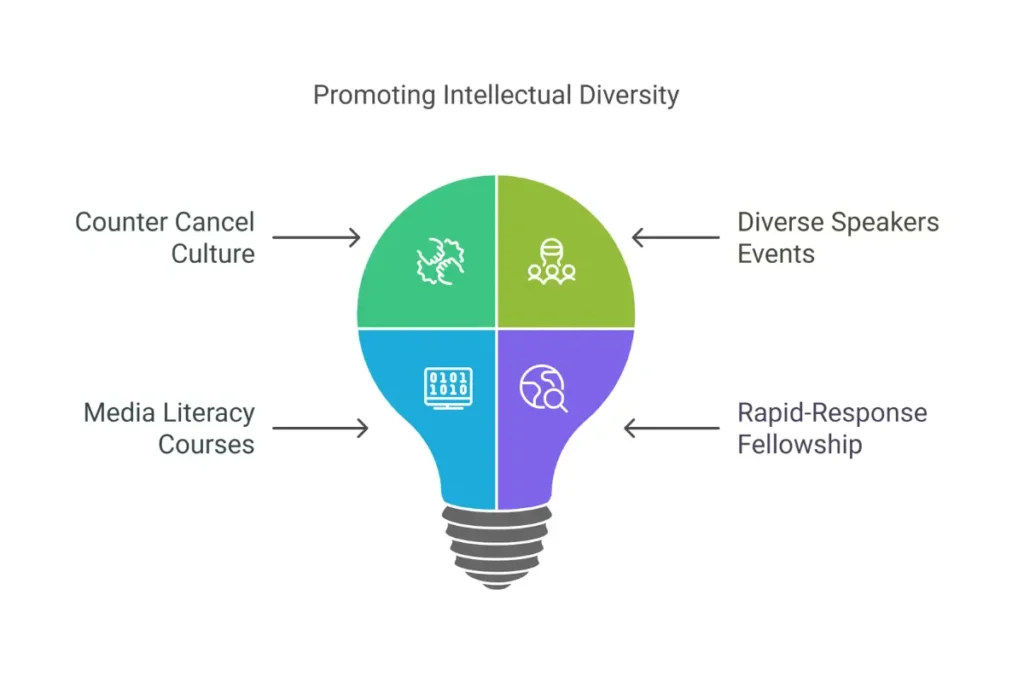
  • Foster environments that counter cancel culture and echo chambers by encouraging dialogue across differences.
  • Support events where students bring in intellectually diverse speakers to address the same topic.
  • Offer courses and workshops on media literacy, highlighting how algorithms shape and limit internet searches by using automated systems to present information that aligns with your past “platform behavior” (e.g., “likes,” saves, searches, etc.).
  • Launch a “Rapid-Response Fellowship” for scholars studying current political or cultural shifts in real-time.
Inquiry Over Activism

2. Combat ‘Truth Decay’ with Evidence-Based Discourse

What It Is:
Coined by RAND Corporation, “Truth Decay” refers to the present-day proclivities of giving opinions and personal experiences the same intellectual weight as facts. Such proclivities result in the rampant dissemination of misinformation and the public distrust of sources once known to be credible.

Why It Works:
Rebuilding intellectual rigor starts with teaching how to differentiate evidence from opinion and combat disinformation.

Actionable Tactics:

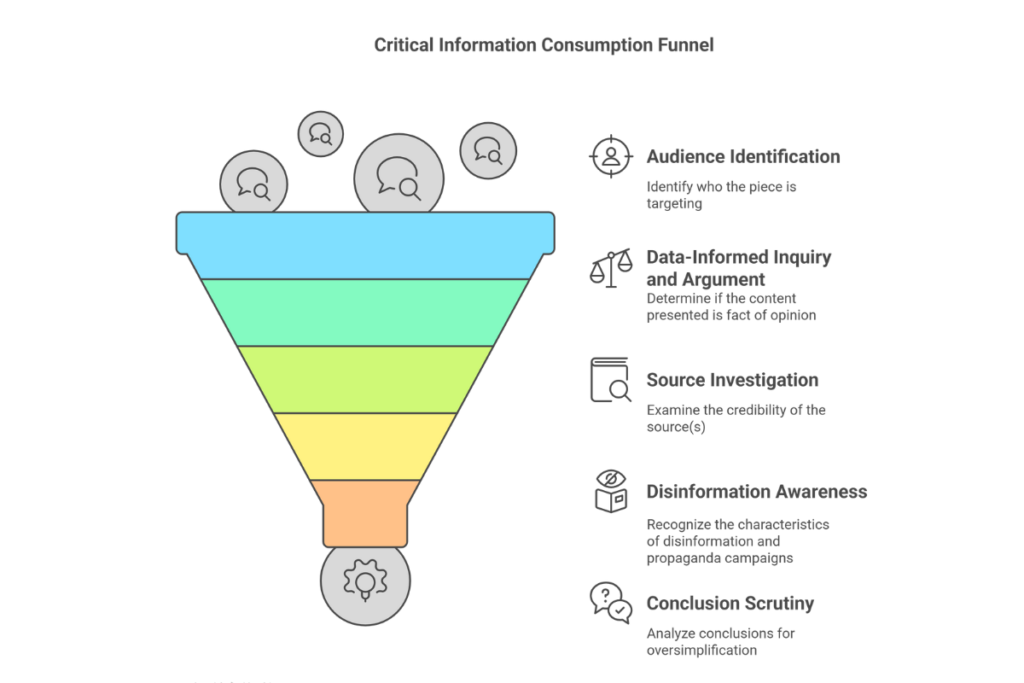
  • Be a highly discerning consumer of information and encourage others to be the same: investigate the source, identify the intended audience, look for and call out overly simplified conclusions and false dichotomies.
  • Model what data-informed inquiry and investigation looks like: seek out reliable information from experts, gather multiple perspectives, differentiate peer-reviewed sources from blogs.
  • Familiarize yourself and your students with known disinformation campaigns and look for the characteristics of such campaigns in information dissemination on new or less familiar topics.
Critical Information Consumption Funnel

3. Seek to Understand Not Persuade

Why It Works:
In the highly polarized world in which we now live, people are primed to hold their ground and write off others who think differently. Knowing that inclination, you can disarm those with whom you disagree by showing them you sincerely want to hear about and learn from their perspective in an effort to better understand a divergent point of view.

Actionable Tactics:

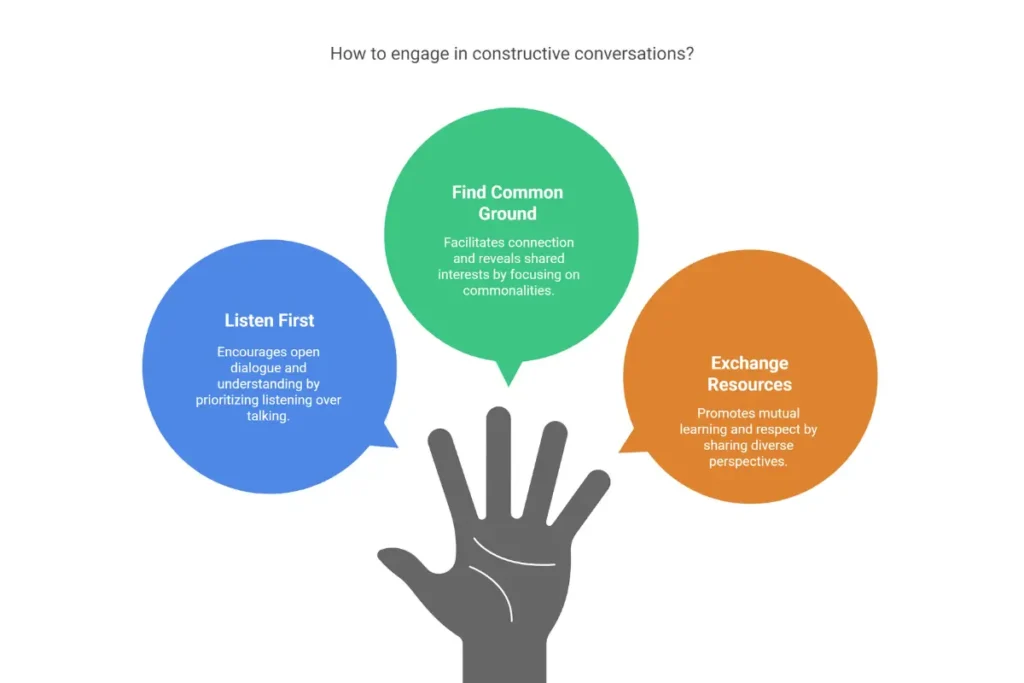
  • Listen first—Do more listening than talking as it keeps the doors to constructive conversation (Deep Listening) open.
  • Home in on whatever common ground emerges or can be built. Connecting with rather than correcting our ideological opponents puts us in a better place to see commonalities that are often obscured at first glance.
  • Exchange resources across perspectives: ask someone to share a go-to article and reciprocate.
Prioritize Understanding Over Persuasion

4. Use Experiential Learning to Practice Democracy

Why It Works:
Democracy must be practiced, not merely studied. Some of my writings show how service-learning and community-based research foster such practice.

Actionable Tactics:

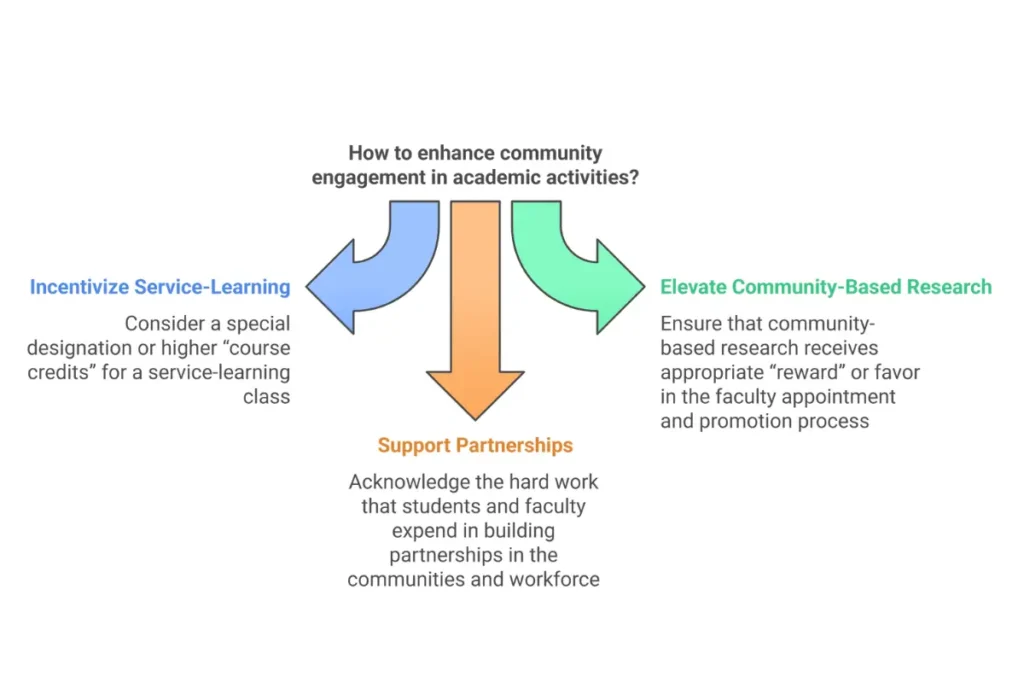
  • Incentivize service-learning projects in academic courses.
  • Reward community-based research in tenure or promotion processes.
  • Support university–community partnerships solving local challenges.
Teaching and Learning Initiatives

5. Elevate the Grassroot Efforts of Those Who Do their Homework

Why It Works:
In academe, grassroots organizing is often viewed as empowering, authentic, and impactful. Providing appropriate resources and expertise to students, faculty, and staff who have spent time and energy researching the issues helps to reinforce the values of sharing reliable information and co-creating knowledge. This, in turn, builds internal solidarity.

Actionable Tactics:

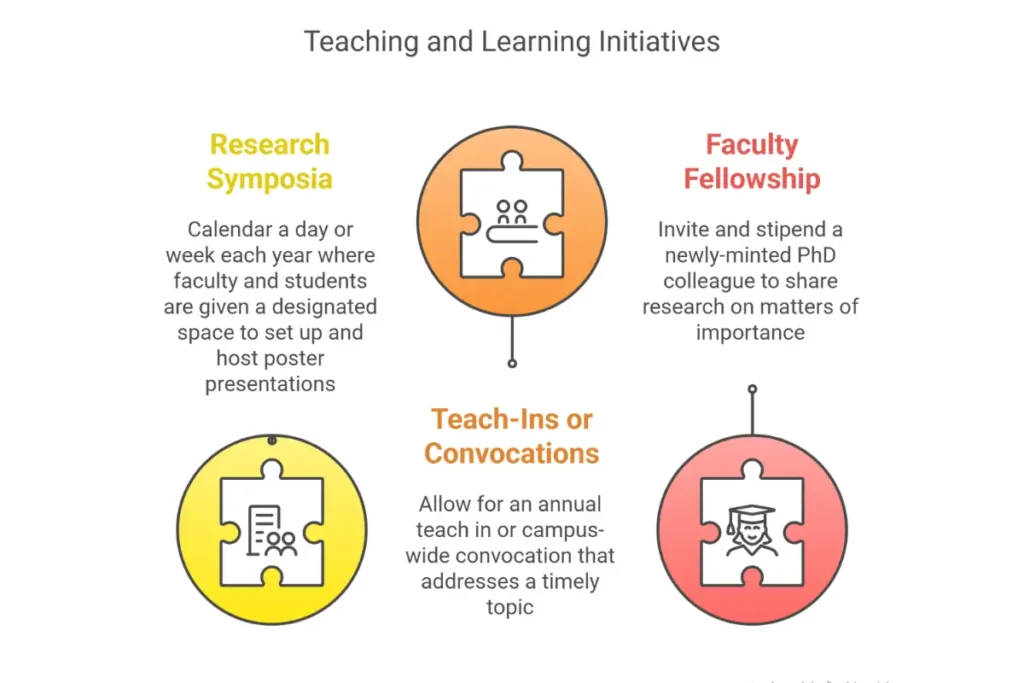
  • Host research symposia where students and faculty offer poster presentations related to enduring questions or urgent challenges.
  • Support student- and faculty-led symposia and teach-ins on timely topics such as immigration, tariffs and free market, community health.
  • Sponsor a research fellowship for a new PhD recipient who is studying the impact of federal policies on American higher education.
Teaching and Learning Initiatives

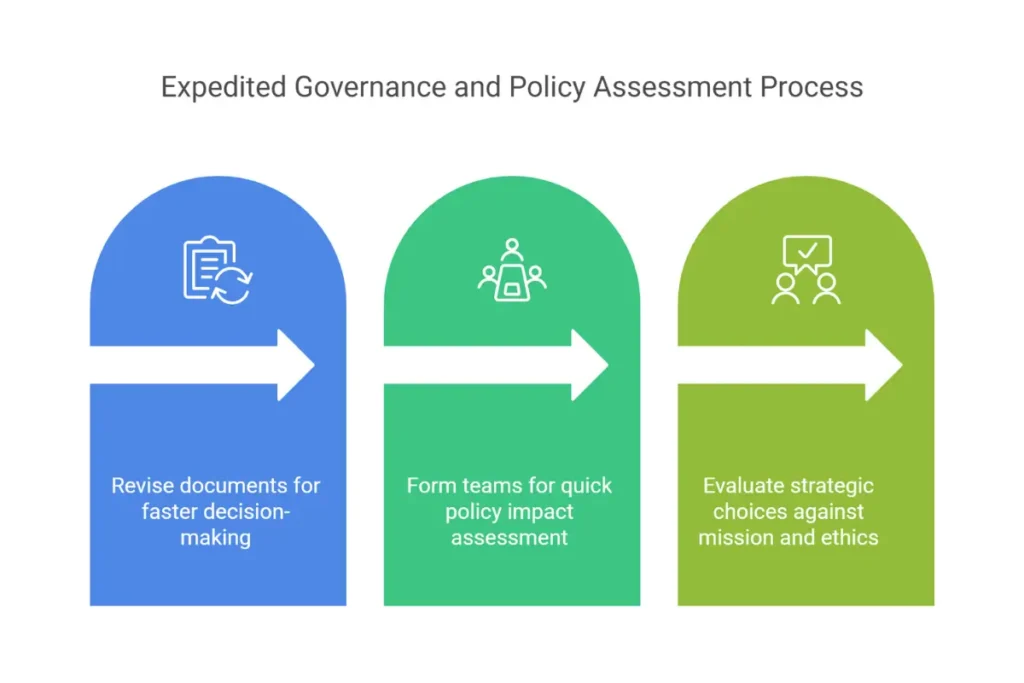
6. Streamline Decision-Making for Agility and Adaptability

Why It Works:
To remain relevant, universities must act with urgency and flexibility. Neither bureaucracy nor the aim of complete unanimity should block innovation.

Actionable Tactics:

  • Update governance documents to allow for expedited responses.
  • Establish rapid-response teams to assess policy impacts within days.
  • Use Values Impact Assessments (VIAs) to ensure strategic choices align with mission, vision, and values.
Decision-Making for Agility and Adaptability

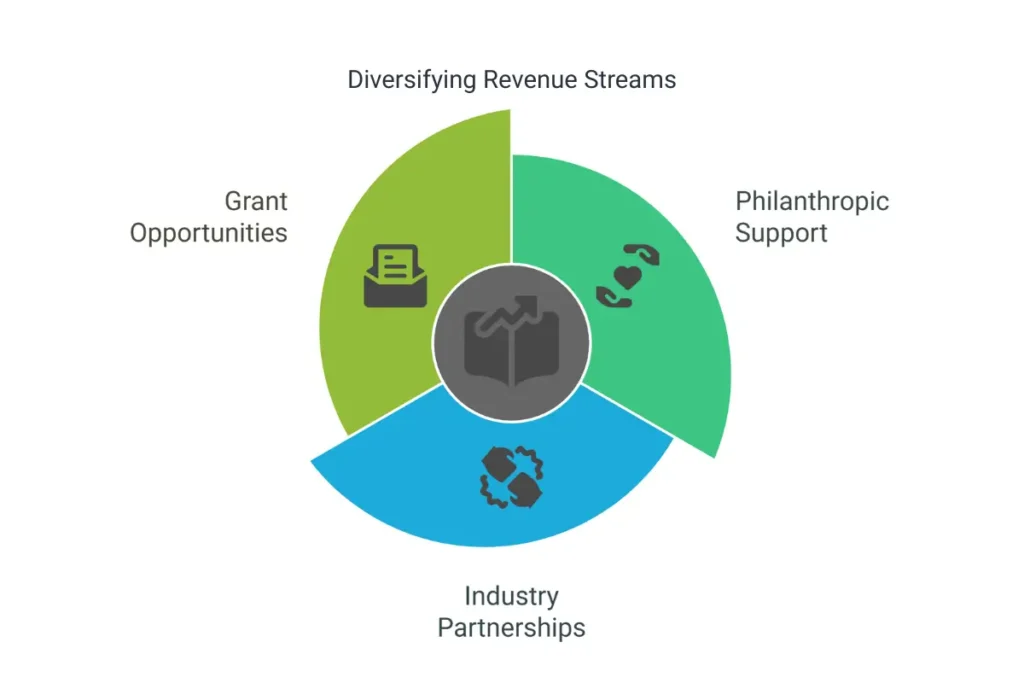
7. Diversify and Sustain Funding Sources

Why It Works:
Federal support for higher education is increasingly uncertain. Universities must build financial resilience through alternative revenue streams.

Actionable Tactics:

  • Cultivate philanthropic support for programs and services related to academic freedom, diversity, civic engagement, and the like.
  • Grow industry partnerships and contract research for mission‐aligned projects.
  •  Explore grant opportunities with established vendors in the higher education space (e.g., retirement benefits organizations, dining service partners, maintenance and custodial companies). Many of them have long histories of collaborating with schools and colleges to bolster student support.
Strategies for Educational Advancement

8. Build Inter-Institutional Coalitions

Why It Works:
There is strength in numbers. By partnering with peer institutions, accreditors, state systems, and national associations (e.g., AAC&U, APLU, ACE, CIC, NAICU), an individual university can amplify its voice, share its resources, and brainstorm with others facing similar challenges.

Actionable Tactics:

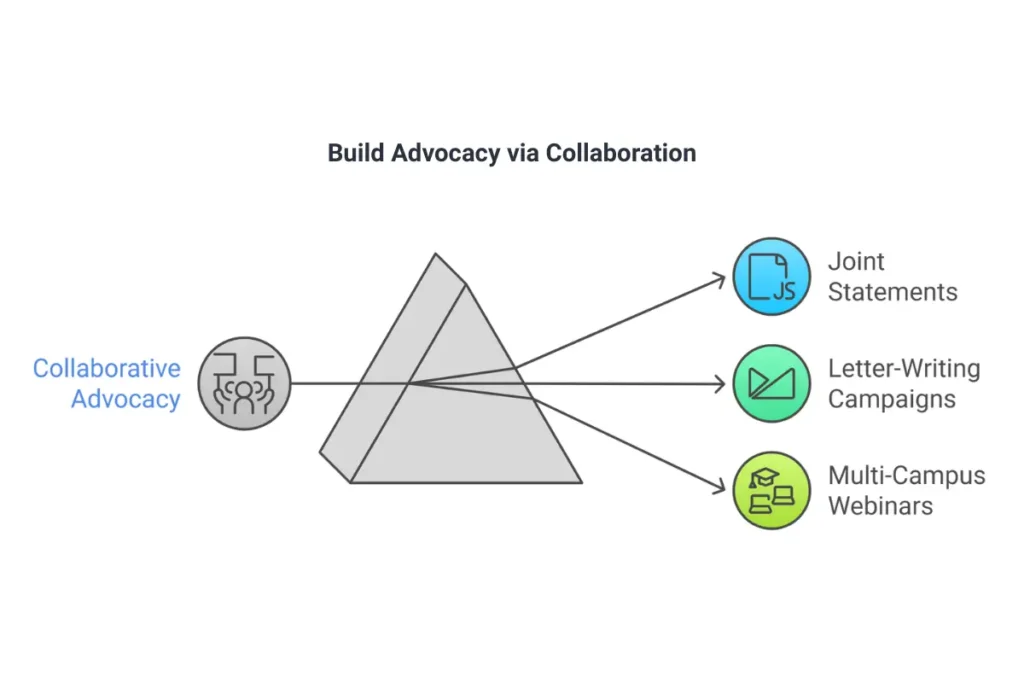
  • Issue joint statements defending academic freedom, free inquiry, diversity initiatives, or Title IX protections. Be prepared to actualize the commitments such statements endorse. This could mean giving the stage (literally) to thought leaders who represent opposing sides of complex and nuanced issues.
  • Coordinate multi-university letter‐writing campaigns to state and federal representatives.
  • Host multi-campus webinars to share best practices and legal guidance.
Build Advocacy via Collaboration

9. Leverage the Legal System to Uphold Academic Freedoms

Why It Works:
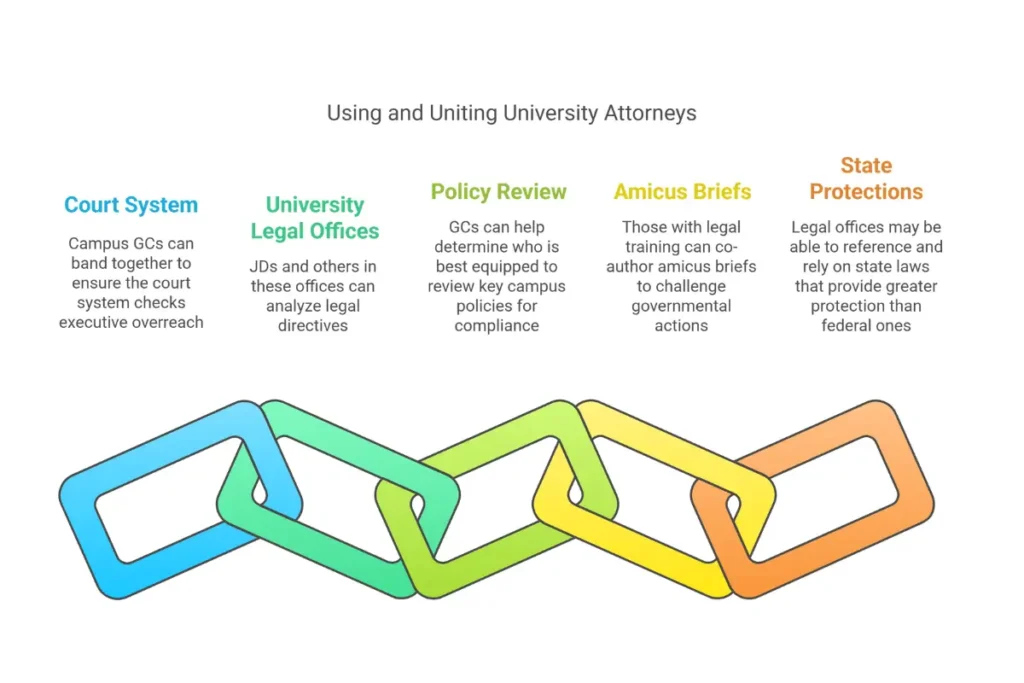
The courts can check executive overreach. Compared to small private colleges, university systems and academic consortia typically have well-staffed offices of general counsel. Such offices are equipped to address legally suspect directives coming from the federal administration right now.

Actionable Tactics:

  • Bring together General Counsel attorneys from multiple institutions to review policy proposals, Dear Colleague Letters, etc. for constitutional or statutory infirmities.
  • Ask the General Counsel cadre if it makes sense for them to file amicus briefs in key lawsuits concerning First Amendment, Title IX, or rule‐making processes.
  • Assert, when appropriate, state‐level protections—some states have stronger academic‐freedom statutes than those associated with federal guidelines.
 Using and Uniting University Attorneys

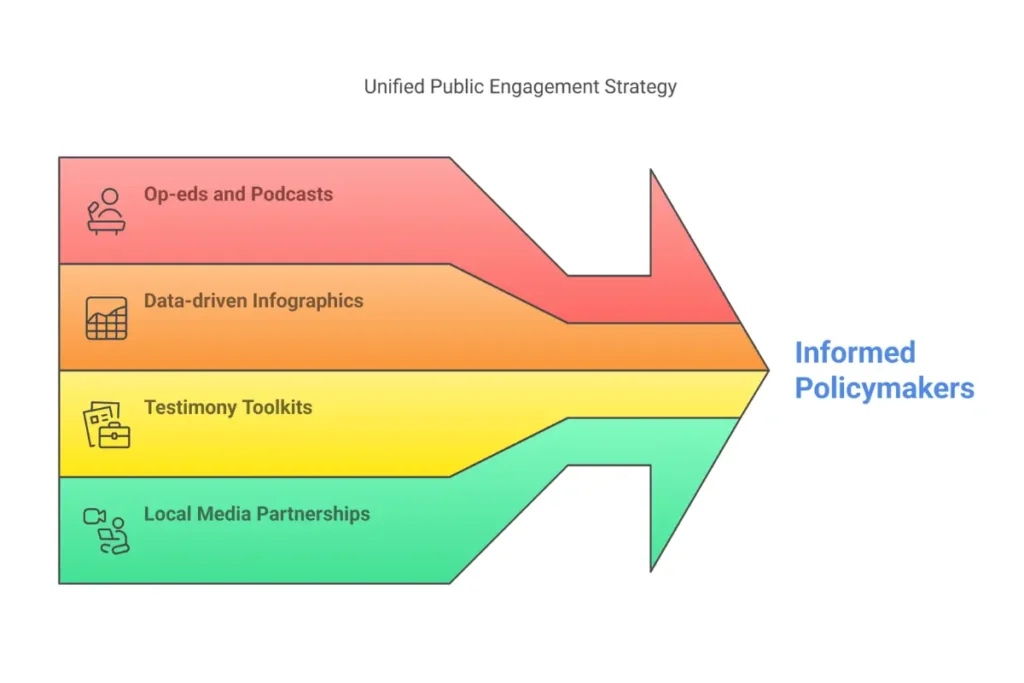
10. Don’t Just “Poke the Bear” and Run— Join Forces in Taking Strategic, Sequential, and Ongoing Steps

Why It Works:
Thoughtful, sequential, and multifaceted public engagement can shift narratives and inform policymakers.

Actionable Tactics:

  • Coordinate a series of op‐eds, podcasts, and data‐driven infographics that highlight the challenges and opportunities that American higher education is facing.
  • Create testimony toolkits for leaders speaking before legislative bodies.
  • Partner with local media to showcase student success and community impact.
Strategic, Sequential, and Ongoing Steps

Final Thoughts: Leading Beyond the Lecture Hall

These ten strategies are not prescriptions; they’re invitations to collectively chart and clear the path that higher education leaders should pave right now. The paving will be accelerated by the hearts, heads, and hands of leaders working together.

Let’s not only meet this moment but help define it.

Frequently Asked Questions

What are the main challenges facing higher education today?

According to insights shared by Lori E. Varlotta, today’s colleges and universities are grappling with several critical issues. Key ones include the following: a decline in public trust, the increasing politicization of both the curricula and co-curricula, and an unsustainable funding model. To successfully address these challenges, Varlotta shares strategies that help academic leaders model the fundamental aim of education: a calling in (not a calling out) in the rigorous pursuit of truth.

What does it mean to “Lead with Inquiry, Not Ideology”?

Institutions that lead with inquiry are incubators for open dialogue and critical thinking. Conversely, institutions driven by a set ideology are prone to curtail (consciously or unconsciously) the exchange of diverse ideas and genuine inquiry. Ideology-based environments make it difficult for members of the community to ask necessary but uncomfortable questions and to challenge ideas without censorship. In academe, curiosity should be valued over conformity.

How can higher education institutions rebuild trust?

A key element in rebuilding trust, as highlighted by the Lori Varlotta, is through evidence-based discourse. In an era of “Truth Decay” (as coined by RAND), universities must actively teach students to discern data from opinion, vet sources, recognize propaganda, and think critically. Such teaching not only strengthens academic rigor but also develops the types of skills that foster informed civic and democratic participation.

Why is understanding important in a polarized environment?

The U.S. has become increasingly polarized over the last decade. If classmates, neighbors, citizens, and co-workers want to have functional relationships with each other, we must seek to understand rather than aim to persuade. According to Varlotta, the basis of such relationships includes empathetic listening and a demonstration of openness. Understanding doesn’t necessitate agreement. It does, however, lay the foundation for the types of constructive engagement that are essential to democratic institutions and societies.

How can universities cultivate civic engagement in their students?

Beyond theoretical learning, Lori suggests that democracy should be practiced, not just taught. This involves embedding into the curriculum experiential learning opportunities such as community-based research and service-learning projects. These hands-on experiences allow students to actively participate in civic life, becoming theoretically- and practically-informed citizens who advocate, organize, and lead, not just vote.

What is the significance of empowering grassroots leaders within an institution?

Authentic change often originates from those directly involved with the issues. Universities that aim to facilitate social change should support students, faculty, and staff who conduct rigorous research in areas that connect personal interest to a campus or community need. Empowering grassroots leaders, who “do the homework,” is one way to bolster individual agency and develop policies, practices, and norms that improve the institution’s and the larger community’s wellbeing.

How can institutions address challenges related to bureaucracy and funding?

Lori Varlotta advocates for streamlining decision-making processes to foster innovation. She suggests that practical solutions like rapid-response teams and Values Impact Assessments (VIAs) can enable universities to make nimble and principled decisions. Regarding funding, sustainable universities must look beyond traditional sources like tuition revenue to support their mission. Today’s universities must diversify funding through philanthropic partnerships, industry collaborations, and long-term grants.

What is the importance of strategic alliances and legal action for higher education?

While competition has historically been the norm, Varlotta explains why collaboration is key to industry reform. Forging strategic alliances with other institutions, through joint statements or shared advocacy, strengthens the collective voice of higher education. Furthermore, in an environment where academic freedom is under threat, Varlotta encourages academic leaders to pull legal levers: file amicus briefs and assert state-level protections in the defense of core academic principles.

Experiential Adult Education: Living and Practicing Democracy in Higher Learning

Reimagining Higher Education for Democracy 

To address the urgent challenges of our times—climate change, humanitarian crises, political polarization, democratic diminishment, and global disruption—the primary aim of American higher education must go far beyond career preparation. To meet this moment, educators must use the curriculum, the campus, and their community relationships as a crucible for preparing engaged, informed citizens to contribute to a representative democracy. This aim is especially vital for adult learners since these students are prone to integrate personal, professional, and vocational experiences into their educational pursuits.

Beyond the Lecture Hall: Why Experience Matters

Classroom instruction, while foundational, cannot solely foster democratic competencies. Democracy, after all, must be practiced—not just studied. Experiential pedagogies, such as service-learning and community-based research, foster such practice. They immerse students in real-world environments that require them to work collaboratively (not hierarchically) with local community members and neighbors to explore and, ideally, mitigate real-life problems. Such mitigation is not an academic or theoretical endeavor; it’s a concrete one that sharpens critical thinking and encourages civic engagement in real-time and long after the activity concludes.

Experiential Adult Education

Why Adult Learners Thrive in Experiential Learning

Drawing upon the philosophies of John Dewey, a pioneer of progressive education, we recognize that adult graduate students are exceptionally suited to translate academic theory into lived practice. With years of finessing workplace dynamics; navigating complex health systems in the provision of child and parent care; and participating in community groups, HOAs, church and temple councils, adult learners have had practice living, working, and leading many of the institutions that are part of our democratic country. Often, these individuals do not simply absorb knowledge; they actively reshape it through reflection and engagement.

Service-Learning: Building Relationships, Not Performing Charity

In my professional journey, I’ve consistently advocated for service-learning that centers on mutual respect and shared goals. When integrated into academic instruction with structured reflection, service-learning becomes a reciprocal partnership—not an act of charity. It allows students and community members to co-create solutions to community-identified needs.

Service-learning helps students investigate the root causes of societal challenges—the foundational issues that make the service necessary in the first instance. Importantly, it also reveals the messy, long, and non-linear nature of societal change. Graduate students, armed with analytical tools, applied methodologies, and enriched by life experience, are well-equipped to face these complex realities with resilience and enthusiasm.

Community-Based Research: Humanizing Knowledge Production

Community-based research (CBR) typically augments the time spent with books, laboratories, and case studies with time spent in community collaboration. CBR democratizes the production of knowledge, acknowledging that insights from lived experiences can be as valuable as academic theory when confronting real-world issues in real-time. For adult learners, CBR reinforces agency, cultivates humility, and prompts a vital realization: theories that look elegant on paper can unravel in practice.

CBR nurtures empathy and deepens understanding of the intricate social, political, and cultural structures that influence communities. It reminds us that lasting solutions are rarely declarations or prescriptions from above. They are co-created through messy, iterative processes that depend on collaboration and deep listening.

Educating for the Common Good(s): The Role of Graduate Programs

When graduate programs incorporate experiential learning, service-learning, and community-based research, they cultivate lifelong learners who are not only professionally capable but also civically committed. These learners emerge as reflective practitioners prepared to think about, talk about, and enact a more equitable, inclusive, and democratic society.

Final Thought: Democracy Lived, Not Lectured

Democracy can be taught, but not lived in concrete classrooms, synchronous seminars, and asynchronous arrangements. To “do” democracy students must live it, model it, succeed within it and fail from it. To prepare this country and the world for the next generation of leaders, academic programs must give adult students the opportunities to “do” democracy. Chances are, they will be able to “do it” as well or better than the leaders of this generation.

President Varlotta’s Leadership: Success, Transition, and Next Steps

Steering Cal Lutheran Towards Long-Term Success

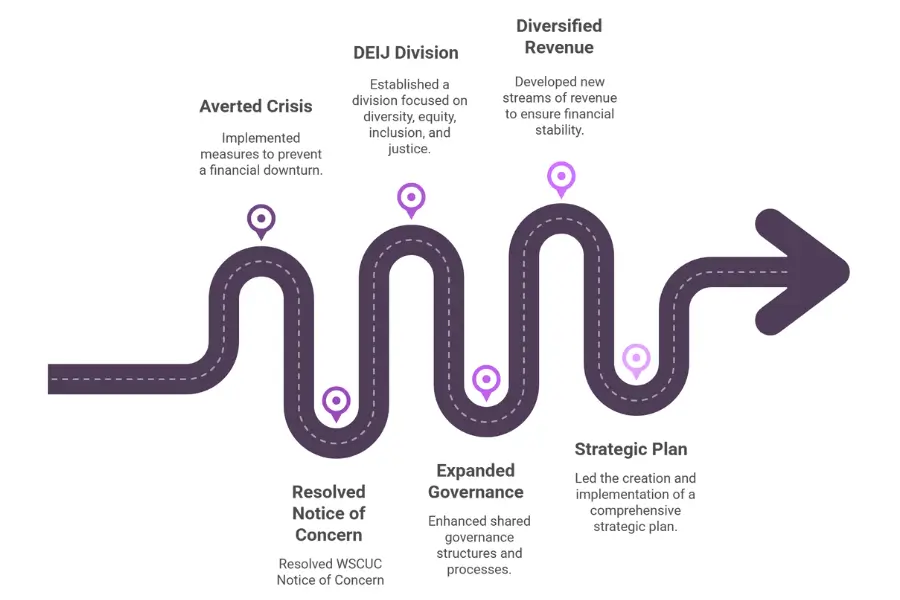
Within the first 18 months of her presidency, Dr. Varlotta addressed several pressing issues. She navigated Cal Lutheran through its immediate financial crisis; got the University off the WSCUC Notice of Concern; and led the creation of the university’s inaugural DEIJ Division and Strategic Plan.

How Lori Varlotta Drove Cal Lutheran Towards Long term Success-edits

With early challenges addressed, she began to position the institution for long-term stability, starting with an inclusive strategic planning process that emphasized measurable goals and sustainable growth. She also served as the catalyst for ensuring that California Lutheran’s graduate and adult programs were offered in contemporary modalities at an affordable tuition. It was under President Varlotta’s tenure that quick and substantial progress was made in this area. In less than one year, the university transitioned eleven adult and graduate programs to online and hybrid formats, increasing accessibility for students seeking flexible learning modalities and schedules.

Strengthening Governance and Inclusion

Dr. Varlotta achieved none of the above in isolation. These accomplishments came to fruition via an updated and bolstered shared governance system. For well over a year, she worked with a task force of faculty, staff, administrators, and regents to expand and restructure shared governance at Cal Lutheran. As had been the case in her first presidency, she was determined to have a shared governance system that not only included faculty but staff and students as well. Hence, Dr. Varlotta catalyzed the creation of a new staff senate and assembly and explicitly charged the existing student government to operate as the official student input group. Together, representatives from all three senates— faculty, staff, and student—contributed to the design of the ADRI decision-making matrix. This emerging framework institutionalized a highly collaborative approach to decision-making. Dr. Varlotta’s passion for shared governance was not the only accelerant in paving a path forward for California Lutheran University. Her commitment to the university’s dual identity as both a faith-based and Hispanic-Serving Institution helped her envision and implement a unique structure—the Division of Talent, Culture, and Diversity (TCD). TCD brought DEIJ center stage by explicitly connecting it to the Office of Mission and Identity and to the Office of Human Resources which oversees employee recruitment and retention efforts. These strategic moves reinforced the university’s commitment to inclusivity and equity as documented on pages 5-9 of the WSCUC team’s 2022 Special Visit Report.

A Courageous Leadership Approach: University Success over Personal Popularity

Varlotta’s leadership was marked by bold and sometimes difficult, unpopular decisions. All the while, her focus remained on securing the university’s long-term viability. As such, she was reluctant to “kick the can down the road” or make short-term decisions that felt good in the present but were unsustainable in the long term. 

In Spring of 2024, with the institution stabilized and major crises averted, she made the decision to step down. Her tenure saw the resolution of pandemic-era disruptions, the dismissal of a major internal lawsuit, the amelioration of racial tensions, and the removal of the WSCUC Notice of Concern, positioning her to pass the torch to a new leader who would not be forced to remedy such significant issues.

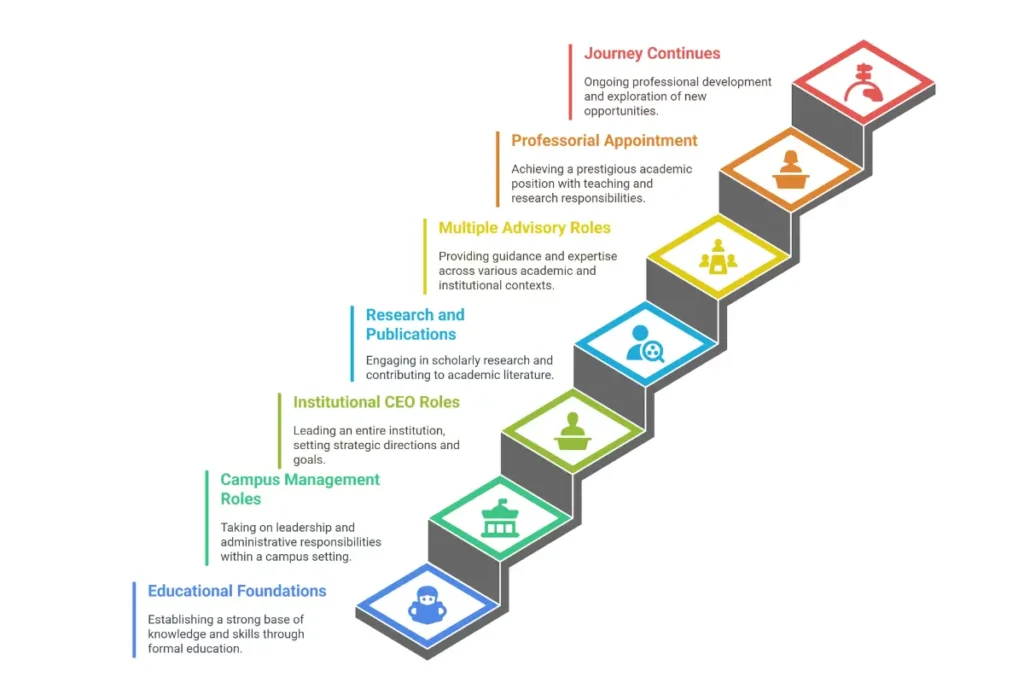
The Journey Continues - Lori Varlotta

The Journey Continues 

Though stepping down as president, Varlotta’s journey with Cal Lutheran is not entirely over. She has been invited to return in August 2025 as the university’s first Distinguished Professor of Higher Education Leadership. Beyond Cal Lutheran, she is advising university presidents and governing boards across the country who are repositioning their own institutions. 

As she travels the next leg of her journey, she is grateful for the academic credentials she has earned. These include a bachelor’s degree in philosophy from the University of Notre Dame, a master’s degree in cultural foundations of education from Syracuse University, and an interdisciplinary PhD in educational leadership and feminist philosophy from Miami University (OH).

Dr. Varlotta is the first to credit her college degrees with opening many career doors. But she is quick to add that it was her blue-collar upbringing in Pittsburgh, PA—and the experiences it delivered day in and day out—that taught her life’s most valuable lessons. As a first-generation college student, she is grateful to her family, especially her late parents, for instilling in her the ethics, grit, and sense of purpose that molded her not only into a capable leader, but a principled one.

The 2019-2020 Presidential Search at California Lutheran University

Lori Varlotta California Lutheran University

A Leadership Search Amid a Global Pandemic

In late fall 2019, California Lutheran University (CLU) began its search for a new university president, partnering with Academic Search, a highly regarded executive search firm specializing in higher education leadership. Jay Lemons, the firm’s president, played a key role in guiding the process.

As the search continued into the spring of 2020, the COVID-19 pandemic emerged as a major disruption, reshaping the entire search process. Despite the challenges, CLU remained committed to moving the process forward and finding a qualified and visionary leader to guide the university into the future.

Challenges in the Presidential Search

One of the biggest obstacles that surfaced during the search process was scheduling in-person interviews for semifinalists. Candidates in this group were asked to select interview dates in mid-March 2020, just as the pandemic was escalating.

A particularly pivotal moment occurred on March 19, 2020—the scheduled interview date for Lori Varlotta, a semifinalist in the selection process. Varlotta, then sitting president of Hiram College in Ohio, had flown across the country to participate in the California interview. On the day of her interview, California’s governor announced a statewide stay-at-home order, initiating what would become a ten-month lockdown. As a result, Varlotta was unable to return to the Midwest as originally scheduled. 
Shifting to Virtual Recruitment

Just as one of the semi-finalists was working through these major disruptions, so was the hiring institution, California Lutheran University. All the while the university remained dedicated to a thorough and strategic hiring process. As such, California Lutheran quickly transitioned to virtual interviews, using Zoom panel discussions to evaluate semifinalists. Meanwhile, Academic Search conducted extensive background checks, candidate evaluations, and due diligence to ensure the best choice for CLU’s leadership.

During this same time, Varlotta continued leading Hiram College remotely, demonstrating her ability to manage crises and drive institutional progress from a distance. Her tenure at Hiram was widely recognized, culminating in a prestigious honor—the university’s academic quad was named after her.
Key Takeaways from the CLU Presidential Search

The 2019-2020 presidential search at CLU highlights several important lessons in higher education leadership:

Adapting to Uncertainty—Universities must be flexible and prepared for unexpected disruptions.

The Power of Virtual Hiring—The pandemic reinforced the importance of remote recruitment, digital interviews, and online decision-making.

Effective Crisis Management in Leadership—Strong leaders can navigate unforeseen challenges, ensuring continuity and stability.

Conclusion

Despite the difficulties posed by COVID-19, California Lutheran University successfully navigated its search process and leadership transition, showcasing institutional resilience, adaptability, and commitment to excellence. The process serves as a model for modern executive searches in academia, demonstrating that even the most challenging situations can be overcome with the right strategy.